• Skip to primary navigation
  • Skip to main content

TEDxSalem

Ideas worth spreading

  • Facebook
  • Instagram
  • Twitter
  • Home
  • Attend
    • TEDxSalem VII
  • About
  • Artist in Residence
  • Blog
  • Partners
  • Past TEDxSalem events
    • TEDxSalem VI
    • TEDxSalem V
    • TEDxSalem IV
    • TEDxSalem III
    • TEDxSalem II
    • TEDxSalem I

Jay Shenai

Alia Braley: The power of non-violent action

October 19, 2016 By Jay Shenai

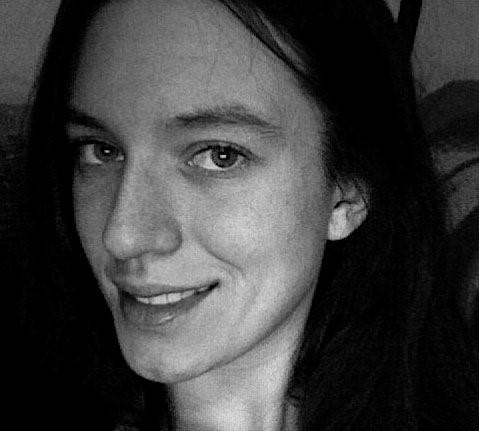
“When I was younger, know­ing that my grand­par­ents were involved in the Amer­i­can Civ­il Rights move­ment of the 1950s and 1960s was inspir­ing to me,” said Alia Bra­ley, who has been work­ing as a researcher and advo­cate of strate­gic non­vi­o­lent action for the past three years, cur­rent­ly with the Albert Ein­stein Insti­tu­tion.  alia-braley

For her TED Talk, Bra­ley will dis­cuss the mas­sive impact of strate­gic non­vi­o­lent action in the world today, from the pro-democ­ra­cy protests in Hong Kong in 2014 to the anti-cor­rup­tion protests of Guatemalans in late 2015, where pro­test­ers in both the cities and coun­try­side came togeth­er to orga­nize a gen­er­al strike that crip­pled the gov­ern­ment and led to the prompt res­ig­na­tion of sev­er­al lead­ers includ­ing the pres­i­dent.

To be clear, non­vi­o­lent action is not the same as paci­fism. It is a form of con­duct­ing con­flict that is often used for prag­mat­ic rea­sons — because it is pow­er­ful and it works.  It also should not be con­fused with civ­il dis­obe­di­ence, which has a pre­cise def­i­n­i­tion as a sub­set of the infi­nite tac­tics avail­able to non­vi­o­lent activists.

“Non­vi­o­lent action is basi­cal­ly the abil­i­ty of diverse peo­ple to active­ly engage in struc­tur­al change in their soci­ety on their own terms” she said.

The aca­d­e­m­ic study of non­vi­o­lent action is only just in its infan­cy accord­ing to Bra­ley, but the use of non­vi­o­lent action goes back to ancient times. His­to­ry holds many famous exam­ples of suc­cess, includ­ing the strug­gle for inde­pen­dence in India asso­ci­at­ed with Gand­hi, as well as less­er known exam­ples, like the Baltic resis­tance against Sovi­et inva­sion in the 1990’s.

Rig­or­ous study of non­vi­o­lent action is impor­tant, she said, in order to assess and improve its effec­tive­ness. Today, more soci­eties are using non­vi­o­lent action than ever before, but often with mixed results.  The cas­es often cit­ed include the rise of author­i­tar­i­an­ism in Egypt, and the desta­bi­liz­ing blood­shed and dis­place­ment caused by the Syr­i­an civ­il war.  How­ev­er, it should be not­ed, she says, that the trou­ble in Egypt and Syr­ia has arisen as a result of vio­lent actors that dis­rupt­ed the ini­tial suc­cess of non­vi­o­lent move­ments.

Through con­nect­ing with orga­ni­za­tions like the Albert Ein­stein Insti­tu­tion, non­vi­o­lent activists are able to access the resources and knowl­edge that may help them to plan effec­tive­ly and avoid some of the most com­mon pit­falls.

Despite the vio­lence preva­lent in today’s news, non­vi­o­lent action is a dri­ving force in domes­tic and inter­na­tion­al rela­tions, Bra­ley said.  For an exam­ple of a suc­cess­ful non­vi­o­lent move­ment with max­i­mal­ist goals, she sug­gests that peo­ple learn about the move­ment that over­threw Slo­bodon Milo­se­vic in the for­mer Yugoslavia as depict­ed in the doc­u­men­tary Bring­ing Down a Dic­ta­tor.

alia1“So many of the dev­as­tat­ing and heart­break­ing prob­lems in the world today come from polit­i­cal vio­lence and the threat of polit­i­cal vio­lence,” she said.  But although peo­ple know their needs, they often feel pow­er­less to cre­ate change.  “Learn­ing about how strate­gic non­vi­o­lent action works helps indi­vid­u­als and groups put their knowl­edge they already have about their soci­ety into action that can cre­ate real and last­ing change.”


Get your tick­ets for TEDxSalem IV

Tick­ets are on sale now for Salem’s annu­al TEDx event Sat­ur­day, Jan­u­ary 7, 2017. Tick­ets are $50, $40 for stu­dents. The all-day event includes talks, per­for­mances, refresh­ments, lunch and a swag bag. Fol­low us on Face­book for the most up-to-date news from our com­mu­ni­ty, and check our web­site reg­u­lar­ly for new infor­ma­tion. You can also reach us at info@tedxsalem.us.


Filed Under: 2017 TEDxSalem, Speakers, TEDxSalem IV, Uncategorized

Rebecca Maitland Courtney: The Arta-Potty “movement”

September 25, 2016 By Jay Shenai

Rebecca Maitland CourtneyRebec­ca Mait­land Court­ney is a big believ­er in the heal­ing pow­er of paint­ing.

“Paint­ings come from pain,” said Court­ney, 56, Cre­ative Direc­tor of Roger Yost Gal­leries and Prop­er­ty Man­ag­er of the Reed Opera House in Salem. Paint­ing “makes life a lit­tle more bear­able.”

It’s what has helped her cope with prob­lems through­out her life both large and small. So when Court­ney saw a prob­lem plagu­ing the his­toric down­town shop­ping venue, the prob­lem of human waste being left in the streets by the home­less, she turned to the solu­tion she knows best.

“It’s a time where the cre­ative com­mu­ni­ty can be a bless­ing to the over­all com­mu­ni­ty,” she said.

And thus the Arta-Pot­ty was born.

For her TED talk, Court­ney will talk about how she helped cre­ate this ele­gant fit­ting of form and func­tion, this uniron­ic pair­ing of paint­ing with poop — in essence a Por­ta-Pot­ty with vibrant local art­work dis­played on their sur­faces — that is meet­ing a press­ing need while help­ing to revi­tal­ize Salem’s down­town with artis­tic panache.

The Arta-Pot­ty is a phe­nom­e­non that has tran­scend­ed its orig­i­nal use to become a “hap­pen­ing.” Enough of a hap­pen­ing to mer­it its own Face­book page; enough of a draw to host art exhi­bi­tions and music per­for­mances; enough of an inno­va­tion to elic­it inquiries from oth­er munic­i­pal­i­ties far and wide.

And it came from a sim­ple epiphany.

Toward the end of 2014 Court­ney noticed what she said was a sig­nif­i­cant increase in home­less peo­ple in the down­town busi­ness area sur­round­ing the Reed Opera House. With the influx of home­less, relat­ed prob­lems also rose, includ­ing what she said was an increase in human waste in the alley­ways and park­ing lots as well as an increase in inci­dents of pub­lic inde­cen­cy and prop­er­ty crimes.


The Arta PottyTra­di­tion­al approach­es to the prob­lem seemed both non­sen­si­cal and coun­ter­pro­duc­tive. Accord­ing to Court­ney, police would peri­od­i­cal­ly roust home­less camps in near­by Minto-Brown park, result­ing in the dis­placed home­less sim­ply migrat­ing down­town in search of shel­ter before being roust­ed once again. It made no sense to Court­ney, watch­ing the events unfold from her office.

“Until the big­ger sub­ject [of solv­ing home­less­ness] is dis­cussed, they will con­tin­ue to send home­less on pil­grim­ages,” she said.

Col­lab­o­rat­ing on a solu­tion with social wel­fare lead­ers like Ver­e­na Wes­sel of the Salem Home­less Coali­tion, and Pamel­la Phillips Wat­son, Janet Park­er and Emi­ly Goodall from the area reli­gious com­mu­ni­ty, the group soon real­ized that a large part of the prob­lem stemmed from peo­ple sim­ply hav­ing nowhere to go to the bath­room. The human waste, the pub­lic inde­cen­cy, the feel­ing of being unsafe – home­less men and women with no oth­er options were forced to expose and relieve them­selves in the street. Accord­ing to Court­ney it was also sti­fling the busi­ness envi­ron­ment, as passers­by became increas­ing­ly skit­tish about shop­ping or eat­ing in an area with such prob­lems, and the area increas­ing­ly looked run-down and dilap­i­dat­ed.

Today, thanks to vol­un­teer and local busi­ness efforts mar­shalled by the so-called “Arta-Pot­ty Five,” there are five Arta-Pot­ties with­in a sev­en-block area of high-den­si­ty pedes­tri­an traf­fic, with plans to expand even more. Accord­ing to Court­ney at least one occa­sion­al­ly plays host to an art exhib­it in which home­less men and women are invit­ed to min­gle with the greater com­mu­ni­ty.

The Arta-Pot­ty cause came around at the right time for Court­ney, a self-described “emp­ty nester.”

“At this point in my life, you’re not afraid to make a mis­take,” she said. “It’s kind of free­ing in a way.”

But it has also served to bring a deep­er sense of con­nec­tion to her com­mu­ni­ty, Court­ney said.

“Zero-degrees of sep­a­ra­tion,” she said. “It made me real­ize how close we actu­al­ly are to the highs and lows of soci­ety, the world of the fall­en and the world of incred­i­ble oppor­tu­ni­ty.”

The leaders spearheading the Arta-Potty movement. From left to right: Pamella Phillips Watson, Janet Parker, Emily Goodall, Verena Wessel, and Courtney.
The lead­ers spear­head­ing the Arta-Pot­ty move­ment. From left to right: Pamel­la Phillips Wat­son, Janet Park­er, Emi­ly Goodall, Ver­e­na Wes­sel, and Court­ney.


Get your tick­ets for TEDxSalem IV

Tick­ets are on sale now for Salem’s annu­al TEDx event Sat­ur­day, Jan­u­ary 7, 2017. Tick­ets are $50, $40 for a stu­dent. The all-day event includes talks, per­for­mances, refresh­ments, lunch and a swag bag. Fol­low us on Face­book for the most up-to-date news from our com­mu­ni­ty, and check our web­site reg­u­lar­ly for new infor­ma­tion. You can also reach us at info@tedxsalem.us.


Filed Under: 2017 TEDxSalem, Speakers, TEDxSalem IV, Uncategorized Tagged With: Art and Society, Arta Potty

You say you want a “revolution…?”

July 26, 2016 By Jay Shenai


We’re real­ly excit­ed about TEDx Salem IV com­ing up on Jan­u­ary 7. The theme will be “Rev­o­lu­tions,” but what does that actu­al­ly mean? In today’s media, words like “rev­o­lu­tion” can be overused – Think “rev­o­lu­tion­ary” diets, inter­net busi­ness oppor­tu­ni­ties or dol­lar-shav­ing-kits by mail.

In the Mer­ri­am-Web­ster uni­verse, the word refers to the act of revolv­ing, or turn­ing on an axis. It also means polit­i­cal upheaval, like a change in gov­ern­ment, or “activ­i­ty or move­ment designed to effect fun­da­men­tal changes in the socioe­co­nom­ic con­di­tion.” On a per­son­al lev­el, it can also mean a “a sud­den, extreme or com­plete change in the way peo­ple live, work.”

Well, we believe this year’s speak­ers are going to turn some heads!

We’re going to learn about polit­i­cal rev­o­lu­tions, from resist­ing oppres­sion in Latvia dur­ing the last days of the Sovi­et Union, to the activism of Don’t Shoot Port­land.

We’re also going to chal­lenge our per­cep­tion of the world. How do we main­tain per­son­al, mean­ing­ful rela­tion­ships in a dig­i­tal world that pro­motes “likes” and “shares” over phys­i­cal inter­ac­tions? How do we fix the clin­i­cal tri­al process in order to get life-sav­ing drugs to the patients who are will­ing to try them?

Have you ever eat­en a crick­et? Would you, could you, with a friend, if it might mean a solu­tion to hunger?

And we’re going to see what it feels like to change a par­a­digm. We’ll meet a local artist and busi­ness own­er who didn’t accept area home­less­ness as a fact of life and in the process turned a Por­ta-Pot­ty into a “hap­pen­ing;” and a fresh­man in high school who wouldn’t accept that sit­ting at a desk is always going to be uncom­fort­able.

It’s all in keep­ing with the mis­sion of TED, accord­ing to TEDx Salem co-cura­tors Car­lee Wright and Bri­an Hart.

“We want­ed a [theme] that was famil­iar but dynam­ic,” Bri­an said, “sim­ple and pow­er­ful, a word that would evoke a strong emo­tion but could be inter­pret­ed many dif­fer­ent ways.”

“And with our event being at the begin­ning of Jan­u­ary, we had the idea of play­ing off the con­cept of New Year’s res­o­lu­tions,” said Car­lee.

“What’s your rev­o­lu­tion for the new year?”

“We want our audi­ence to come with an open mind and leave inspired,” Bri­an said, “to be think­ing about what they can do in their com­mu­ni­ty or how they can impact soci­ety.”

“TED is all about the biggest thinkers and doers com­ing togeth­er to spread the most impor­tant ideas to the world,” he said.

“What’s more rev­o­lu­tion­ary than that?”


noah

Filed Under: 2017 TEDxSalem, TEDxSalem IV Tagged With: Revolutions

Storyteller’s notebook: Backstage with the host of TEDx Salem 2015

October 20, 2015 By Jay Shenai

Backstage Keith

Registration Booth

ANTICIPATION

7:30 am

Morn­ing sun­light pen­e­trates through the win­dows, through the locked gate drawn down over the open­ing to the main gallery of the Salem Con­ven­tion Cen­ter, and onto the vol­un­teers mak­ing final prepa­ra­tions for the oncom­ing rush. Gift bags are laid out in dozens of rows, next to name badges for over 400 atten­dees, guests, vol­un­teers and speak­ers. A chaos of activ­i­ty the night before, of late-night piz­za box­es and miss­ing tables and fran­tic last-minute errands, drifts into a calm of antic­i­pa­tion in the final min­utes before the doors open.

Name Tags

Inside the locked, dark­ened San­ti­am Ball­room, tech­ni­cians fin­ish lay­ing and tap­ing cables across the floor, check­ing sound, video angles, light­ing, seat­ing, vol­ume. Glow sticks light the path to the stage; cym­bals com­plete the drum set in front of the TEDx Salem logo.

In a loose pur­ple robe, Lou Rad­ja walks to his mark, a red car­pet at cen­ter stage, and takes in the scene to be. The last speak­er of the day, he wor­ries if his finale will res­onate. He spends a few moments with event co-cura­tor Bri­an Hart, and then turns away toward the back­stage area, robe bil­low­ing behind. Many speak­ers are sim­i­lar­ly anx­ious. Many months of prepa­ra­tion, of rehearsals and retakes and revi­sions have led to this moment.

The last sounds are a med­ley of snare drums, mic checks, clink­ing glass­ware, and voic­es both pleas­ant and urgent. A cacoph­o­ny before the sym­pho­ny.

Radja Prepares

THE HOST

7:50 am

Kei­th Seck­el sits back­stage, index cards sprawled across a table as he pre­pares for his first appear­ance onstage. For the host of TEDx Salem 2015, though the theme is “FEARLESS,” the day is about togeth­er­ness. It’s his biggest hope, he says, to con­nect an audi­ence of indi­vid­u­als as a com­mu­ni­ty.

“A lot of us are alone,” he says.

“I like the idea of a whole being greater than the sum of its parts,” Seck­el says. “So with a com­mu­ni­ty there is togeth­er­ness and a group iden­ti­ty; an ethos which can­not exist sole­ly in the indi­vid­ual. Togeth­er we com­fort and sup­port, encour­age and exhort. Togeth­er we achieve and grow as we learn from one anoth­er.”

“That being said, I believe there is still an ‘I’ in the midst of com­mu­ni­ty,” he says. “Belong­ing to a group does not abro­gate my indi­vid­u­al­i­ty or in any way lessen my val­ue as one per­son in a crowd.”

“When I remove myself from the crowd I allow my own cre­ativ­i­ty to rise free, but if I iso­late myself alto­geth­er that sin­gu­lar­i­ty is with­out effect, with­out response.”

Mod Prep
Host Kei­th Seck­el chats with speak­er Patrick More­au while prepar­ing his com­ments.

8:59 am

The RiverCi­ty Rock Star Acad­e­my band sprawls across all the seats and arm­rests avail­able back­stage. Gui­tars and bass in hand, they pound out an unplugged walk-through of “I Love Rock ‘n’ Roll,” by Joan Jett and the Black­hearts, and “Cher­ry Bomb,” by the Run­aways, before giv­ing it full-vol­ume to the TEDx Salem crowd.

Kei­th Seck­el is a blur of motion as he changes cos­tume for his intro­duc­to­ry com­ments. Note­cards now in mouth, he stuffs his yel­low and black bag, and heads to a qui­et spot in the ser­vice area around the con­ven­tion cen­ter. He re-enters moments lat­er with a gray rain jack­et, then enters the door to the stage.

Applause means it’s go time.

How we inter­act with oth­ers, he says in his intro­duc­tion, either lets peo­ple in or push­es peo­ple away. “What would you think if I approached you” wear­ing the gray jack­et, or a priest’s col­lar, or a nurse’s scrubs, he asks the audi­ence, as he removes each item to reveal the next in his cos­tume.

It’s an aus­pi­cious start, one of the best moments of the day for him, he says, “sens­ing every­one’s hearts and minds real­ly lean­ing into the day with eager antic­i­pa­tion.”

“I find it true in my life that I judge oth­ers on their actions, yet want to be judged for my motives,” Seck­el says.

“Rather than make assump­tions about some­one’s char­ac­ter based sole­ly on their appear­ance, I’m learn­ing to stay open — to risk vul­ner­a­bil­i­ty — and adopt a ‘wait and see’ atti­tude.”

Rock Backstage

9:48 am

Speaker Prep
Vol­un­teer Car­ole Ast­ley sets up speak­er Dan Bryan­t’s mic before his entrance.


Kei­th approach­es a ner­vous yet pre­pared Bri­an­na Miller, the event artist-in-res­i­dence, and offers a reas­sur­ing tip about the crowd below the stage light­ing: You can’t see them.

“You can make eye con­tact, with­out mak­ing eye con­tact,” he says.

DSC_0264

10:30 am

Morning Recess
Atten­dees head out to join in the var­i­ous break­out ses­sions on the sec­ond floor.

Kei­th Seck­el kneels before a board, both a red and a black mark­er in his hands. Writ­ten on the board is the prompt: “Fear­less is…”

With both mak­ers, Seck­el care­ful­ly writes, upside down: “Doing things your own way.”

“Fear­less is, para­dox­i­cal­ly, not the sim­ple absence of fear,” he says. “Fear is a gut response: a vis­cer­al and emo­tion­al knee-jerk reac­tion.”

“Fear­less­ness does not negate that response,” he says, “it sim­ply mit­i­gates it.”

“Fear­less­ness is a choice: choos­ing the action one believes to be best despite the fear roil­ing inside.”

Breakout

10:57 am

Every­thing on cue… Rich McCloud up next.

11:29 am

“There’s a say­ing in endurance run­ning, ‘Trust your train­ing,’ ” Kei­th Seck­el says to a vis­i­bly relieved C.M. Hall, after she emerges back­stage from her wild­ly suc­cess­ful TED talk. Behind them both, Maya Kaup fin­ish­es her final laps around the cof­fee table, rehears­ing her talk in her mind a few more times for good mea­sure.

12:35 pm

Seck­el meets and greets atten­dees between lunch tables, and starts con­ver­sa­tions with one sim­ple ques­tion: “What was your favorite moment so far?”

Halfway into the day his view of the role of host evolved, he says.

“As a con­nec­tor of things, I saw myself as ‘just a semi-colon,’ ” he says. “I did­n’t want to dis­tract from the speak­ers and those who were on stage.”

“I went into this know­ing my role was impor­tant, but also not want­i­ng to make too big a deal out of it. Dur­ing and after­ward though, I real­ized that while the flow of the day and the seam­less­ness of peo­ple’s expe­ri­ences were every­thing I want­ed them to be, I was far from invis­i­ble, and that was OK. I like to think I did not dis­tract from any­one’s pre­sen­ta­tion, and yet I now know that being intense­ly vis­i­ble is actu­al­ly impor­tant!”

Kaup Debut
Speak­er Maya Kaup fol­lows Kei­th Seck­el to the stage for her TED talk.

2:05pm

Hi do you want pie
Speak­er Vick­ie Hardin Woods awaits her debut, pie in hand.

3:00pm

Breakdancing
Dancers with Tip­py Toe Dance Stu­dio and Tru­roots warm up back­stage.

4:00pm

Backstage with Keith
Kei­th Seck­el takes in the last TED talk from Lou Rad­ja.

“TED’s brand recog­ni­tion is grow­ing con­stant­ly,” Kei­th Seck­el says. “Salem’s long­stand­ing rep­u­ta­tion is of a sleepy back­wa­ter. [That rep­u­ta­tion] was per­haps war­rant­ed in the past, but not any more. TEDxSalem helps put the TED brand with the best of Salem, open­ing the eyes of peo­ple both inside and out­side the local com­mu­ni­ty to the mer­its of Salem and its res­i­dents and busi­ness­es.”

Seckel LIVE
The crowd deliv­ers a stand­ing ova­tion.

“In terms of what I got out of host­ing I’d say the most sig­nif­i­cant is: con­nec­tion — to the core team, the speak­ers, and the audi­ence; the Salem com­mu­ni­ty at large.

“I left this year’s event know­ing that I am part of some­thing much larg­er than myself…and yet owing to that expe­ri­ence I am myself that much more enriched as an indi­vid­ual.”

Backstage Keith


Filed Under: 2015 TEDxSalem

Getting the most out of your TEDx Salem experience

September 24, 2015 By Jay Shenai

We’re only two weeks away from TEDx Salem 2015! If you still haven’t bought your tick­ets, don’t wor­ry, there’s still time to get them here, but hur­ry!

As for every­one else already com­ing down to the Salem Con­ven­tion Cen­ter on Octo­ber 3, and also for those unsure what to expect, check out these 10 tips (re-post­ed) on how to get the most out of your TED expe­ri­ence.

FLOGO_COLOR1

10. Take notes! Bring a small note­book or tap out a few quick notes on your smart­phone. You’re going to be exposed to so many ideas and insights in one day, and you def­i­nitely want to remem­ber those moments that made you smile, made you think or just jumped out at you. Take a moment, either dur­ing the event or at the end of the day, to jot down the insights you gained.

9. But be present in the moment. We love that you want to Tweet and Insta­gram through­out TEDxSalem, and we encour­age you to do so. But don’t get too wrapped up in your phone that you miss on a poignant moment dur­ing a con­ver­sa­tion or a TED talk!

8. And be open-mind­ed. Some of the ideas worth shar­ing may be a lit­tle shock­ing. Some might be a lit­tle con­tro­ver­sial, or entire­ly new to you. Don’t write off a TED talk if you find your­self bristling at it, or if you don’t under­stand it. Have an open mind and con­sider new ideas!

7. First in the door, last out the build­ing. Get there ear­ly. You can find your seat, chat up the per­son next to you, get com­fort­able with the the­ater and see what oth­er good­ies we’ll be offer­ing through­out the day (last year, par­tic­i­pants had the oppor­tu­nity to pur­chase books writ­ten by our speak­ers, or get some awe­some TEDxSalem swag). Stay the whole day and leave late. Lis­ten to every sin­gle talk, do the break­out ses­sions, ask a mil­lion ques­tions. By the end of the day, you won’t want to leave!

6. Bring some­thing to share. It can be some­thing tan­gi­ble like your busi­ness card, or some­thing that’s not, like a thought-pro­vok­ing ques­tion or even just a great book you’ve read recent­ly.

5. Do your research! We love a good sur­prise, and we hope some of the top­ics and thoughts our speak­ers will share with you will be delight­fully sur­pris­ing. But there’s some­thing to be said for get­ting excit­ed about your favorite speak­er ahead of time! Take a moment to famil­iar­ize your­self with every­one who will be talk­ing this year. Revis­it last year’s speak­ers to get in the spir­it of TED! Or vis­it the offi­cial TED blog for more engag­ing TED talks and choose a few favorites.

4. Net­work, net­work, net­work! TEDxSalem is not a pas­sive or iso­lated expe­ri­ence. You are in the beau­ti­ful Elsi­nore The­ater with hun­dreds of peo­ple just as excit­ed about new ideas as you are! Talk to every­one. Intro­duce your­self. Don’t ask what they do for a liv­ing; ask what they’re pas­sion­ate about. Make friends, get con­tacts, dis­cuss the TED talks with them. Force your­self a lit­tle out of your com­fort zone and chat up a stranger.

3. Our vol­un­teers are a resource! They are the heart, soul and back­bone of TEDxSalem, and they are there to make your expe­ri­ence extra­or­di­nary. If you need any­thing at all, don’t hes­i­tate to ask them!

2. Be sure to par­tic­i­pate in the break­out ses­sions. The high­light of TEDxSalem is our speak­ers, but there’s so much more that goes on through­out the day. If you real­ly want to make the most of your time, don’t shy away from sit­ting in on the break­out ses­sions and shar­ing your own ideas. It’s all about mak­ing you think.

1. Immerse your­self in the spir­it of TED! TED is a non­profit orga­ni­za­tion devot­ed to spread­ing ideas, usu­ally in the form of short, pow­er­ful talks. It began in 1984 as a con­fer­ence where tech­nol­ogy, enter­tain­ment and design con­verged (hence the name) and now cov­ers almost all top­ics, includ­ing sci­ence, busi­ness and glob­al issues. Keep all of this in mind as you approach Oct. 3. The day is devot­ed to shar­ing ideas!


TEDxSalem is an all-day event. Tick­ets are $40 for stu­dents and $50 for the gen­eral pub­lic and include talks, enter­tain­ment, par­tic­i­pa­tion in recess breaks, hands-on activ­i­ties between ses­sions, plus food through­out the day (break­fast, coffee/tea/water, snacks and lunch), a gift bag and a few oth­er good­ies. Find your tick­ets here.

Filed Under: 2015 TEDxSalem

Pamela Wible — A TEDx Salem alum looks back

August 13, 2015 By Jay Shenai

It’s been quite a ride for Dr. Pamela Wible since she last took our stage.

It was two years ago that Wible stood before a TEDx Salem crowd as founder of the Ide­al Med­ical Care move­ment to talk about the impor­tance of chang­ing the imper­son­al, assem­bly-line men­tal­i­ty that infects the Amer­i­can med­ical care indus­try, for the health not just of patients but of doc­tors them­selves.

Pamela WibleIt’s a quest that for her began over 10 years ago, in town hall meet­ings where she would stand up and, as she puts it, bare her soul to the very peo­ple who once stood naked before her, seek­ing her patients’ advice in how to devel­op a more inti­mate, more com­pas­sion­ate med­ical care expe­ri­ence.

Her talk was one of the most well received TEDx Salem talks ever, gen­er­at­ing well over 200,000 views since being post­ed on YouTube. Since then, Wible has gone on to spread her mes­sage in inter­views on CBS, ABC, CNN, NPR and else­where. Ear­li­er this year, she was award­ed the 2015 Women Lead­ers in Med­i­cine Award by the Amer­i­can Med­ical Stu­dent Asso­ci­a­tion. This Novem­ber, she will speak at TEDMED in Palm Springs, Cal­i­for­nia.

Accord­ing to Wible, all the suc­cess is a sign that her mes­sage is res­onat­ing.

“It’s time to talk,” she said, “about the taboo top­ics that are hold­ing us back as a cul­ture.”

Since her talk, more peo­ple are hav­ing “black and white dis­cus­sions,” she said. Patients are frus­trat­ed with their hos­pi­tal and clin­ic expe­ri­ences, and are also begin­ning to rec­og­nize how equal­ly frus­trat­ed doc­tors are, she said. And doc­tors are start­ing to see the toll that the profession’s tra­di­tion­al rig­ors are tak­ing on their own emo­tion­al and phys­i­cal well being.

Over 1 mil­lion peo­ple lose their doc­tor to sui­cide, a sta­tis­tic Wible often cites in her talks. Since speak­ing at TEDx Salem, doc­tors are becom­ing more recep­tive of her mes­sage, she said, and more will­ing to speak up about the pain they endure, a pain that has often been insti­tu­tion­al­ized from med­ical school onward.

“It’s inspir­ing med stu­dents to stand up and refuse to be vic­tim­ized,” she said.

“Peo­ple are will­ing to say it out loud,” she said, “the time has come for the truth.”

Wible cred­its TEDx Salem with help­ing to “break through the media glass ceil­ing,” as she calls it, ampli­fy­ing the thoughts of a female fam­i­ly doc­tor from Eugene, in a media land­scape so often focused on male spe­cial­ists work­ing on the East Coast. Her TEDx Salem talk and accom­pa­ny­ing op-ed was also pub­lished in the Wash­ing­ton Post last sum­mer.

“It brings peo­ple to me,” she said, “in want­i­ng to know more.”

And as she pre­pares for her TEDMED talk, Wible recalls her TEDx Salem expe­ri­ence fond­ly.

“I was on such an emo­tion­al high, I wasn’t nec­es­sar­i­ly tak­ing it all in,” she said. “I was so proud to be a part of it.”

It real­ly shows you the “pow­er of one new idea,” she said.


- To get your tick­ets for TEDx Salem 2015, click here.


Filed Under: 2015 TEDxSalem Tagged With: 2015 TEDxSalem

« Previous Page
Next Page »
  • Home
  • About
  • Attend
  • Blog
  • Apply to be a Speaker
  • TEDxSalemWomen
  • TEDxYouth@Salem

Copyright © 2026