• Skip to primary navigation
  • Skip to main content

TEDxSalem

Ideas worth spreading

  • Facebook
  • Instagram
  • Twitter
  • Home
  • Attend
    • TEDxSalem VII
  • About
  • Artist in Residence
  • Blog
  • Partners
  • Past TEDxSalem events
    • TEDxSalem VI
    • TEDxSalem V
    • TEDxSalem IV
    • TEDxSalem III
    • TEDxSalem II
    • TEDxSalem I

TEDxSalem IV

Vanessa Timmons: Resiliency throughout domestic violence, activism, survival and revolution

December 8, 2016 By Laura Fosmire

Some­times, the word “rev­o­lu­tion” brings to mind a kind of vio­lence, the kind asso­ci­at­ed with wars and revolts and mas­sive upris­ings. But for oth­ers, the real rev­o­lu­tion­ary work is the work that goes into pre­vent­ing vio­lence — and help­ing its sur­vivors heal.

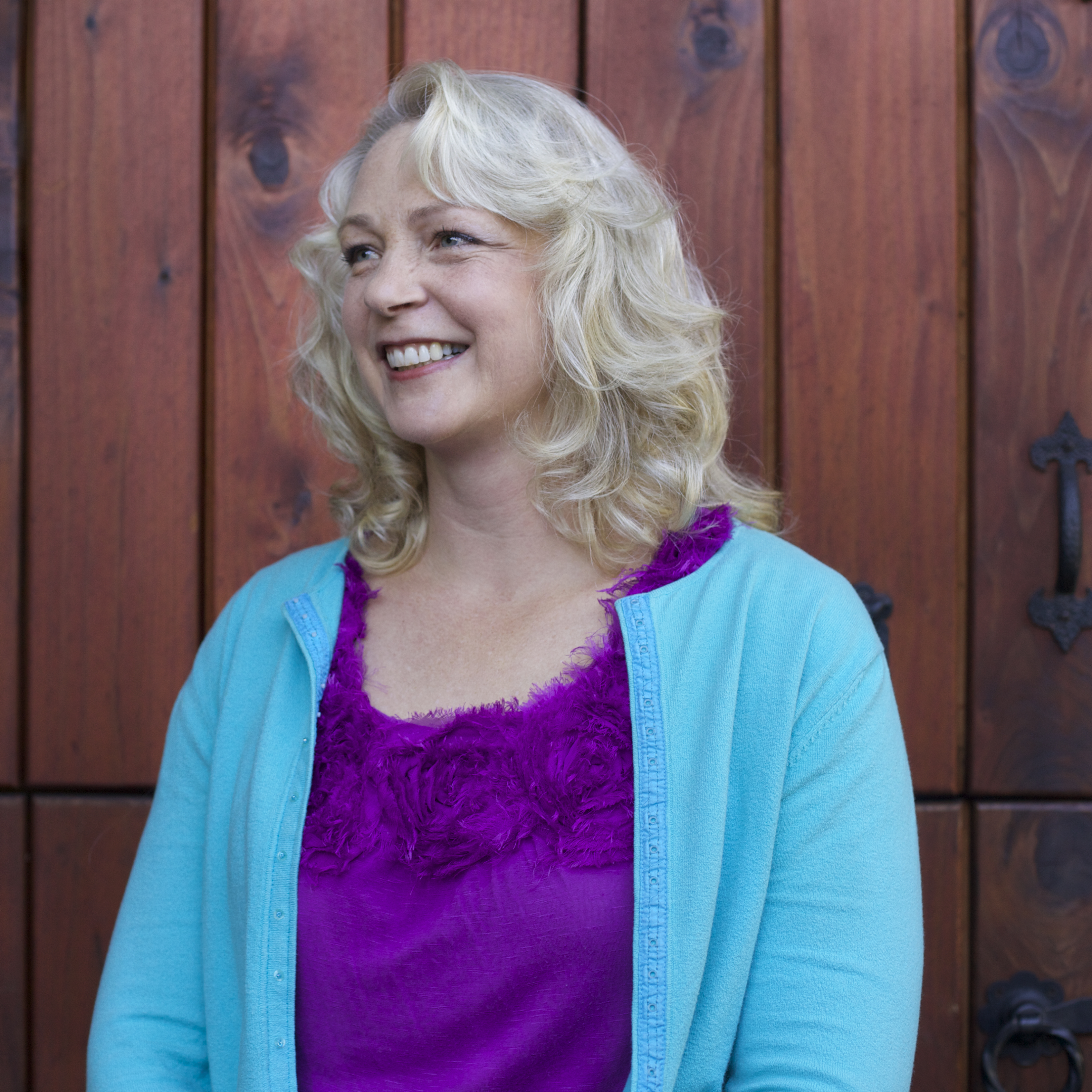
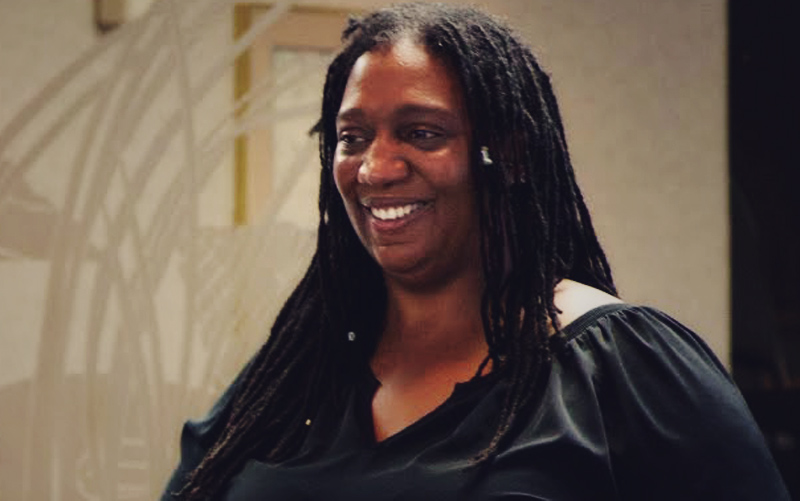
vaneesa2bOne such per­son is Vanes­sa Tim­mons, exec­u­tive direc­tor of the Ore­gon Coali­tion Against Domes­tic and Sex­u­al Vio­lence, a non­prof­it orga­ni­za­tion that works through­out the state to end vio­lence in all com­mu­ni­ties. Tim­mons is also a moth­er, a grand­moth­er, a sur­vivor of sex­u­al abuse, and one of the speak­ers at this year’s TEDxSalem.

“I real­ly see domes­tic vio­lence work as rev­o­lu­tion­ary work,” Tim­mons says. “Rev­o­lu­tion hap­pens in a com­mu­ni­ty when all indi­vid­u­als are able to thrive.”

For Tim­mons, the rev­o­lu­tion lies in the com­mu­ni­ty, not just in the indi­vid­ual. She sees heal­ing as a com­mu­ni­ty-wide action, not just some­thing that indi­vid­ual assault and vio­lence sur­vivors must do.

“My talk is focused on resilien­cy for activists and self-care as acts of rev­o­lu­tion,” she says. “It’s real­ly look­ing at how we sus­tain brav­ery and be engaged in rev­o­lu­tion­ary acts. How do we keep our brav­ery and resilien­cy and vision vig­or­ous­ly engaged while we’re in that effort of chang­ing the world.”

Tim­mons fur­ther explains that a lot of her work is char­ac­ter­ized as anti-vio­lence, anti-racism or anti-oppres­sion. But it’s also pro- work, too; it’s work­ing toward a bet­ter world for every­one.vanessatimmons

“The weari­ness of peo­ple as we’ve gone through this elec­tion cycle, in a lot of ways that weari­ness inhibits our abil­i­ty to sus­tain and main­tain our efforts,” she says. “I am real­ly hop­ing that peo­ple walk away from my talk with some prac­ti­cal skills that I use to sus­tain my own brav­ery and resilience in times of dif­fi­cul­ty.”

Get your tick­ets for TEDxSalem IV

Tick­ets are on sale now for Salem’s annu­al TEDx event Sat­ur­day, Jan­u­ary 7, 2017. Tick­ets are $50, $40 for a stu­dent. The all-day event includes talks, per­for­mances, refresh­ments, lunch and a swag bag. Fol­low us on Face­book for the most up-to-date news from our com­mu­ni­ty, and check our web­site reg­u­lar­ly for new infor­ma­tion. You can also reach us at info@tedxsalem.us.

Filed Under: 2016 TEDxSalem, 2017 TEDxSalem, announcement, Speakers, TEDxSalem IV

Brianna Miller: Going “retro” with last year’s artist-in-residence

November 30, 2016 By Jay Shenai

Some peo­ple are said to be born too soon for this world; artist Bri­an­na Miller may have been born about 30 years too late.

brianna-01

The 24-year-old Miller could be a child of the 1960s spir­i­tu­al­ly — she shares a pas­sion for Cat Stevens music, and movies like Harold and Maude and the 60s-inspired films of Wes Ander­son. She claims the works of 60s avant-garde artists like Andy Warhol and Yay­oi Kusama, among oth­ers, as her main artis­tic inspi­ra­tions. The Port­land-based artist and grad­u­ate of McNary High School in Keiz­er also recent­ly dis­cov­ered the Moog syn­the­siz­er tones of Mort Garson’s 1976 album “Plan­ta­sia,” she said.

Speak­ing from her cur­rent home in Uti­ca, New York, where today she is the artist-in-res­i­dence at the Mun­son Williams Proc­tor Art Insti­tute, Miller rem­i­nisced on her time with TEDx Salem last year.

Her biggest hope, she said, was “to cre­ate a piece that moved peo­ple.”

“I had a lot in mind,” she said. “I want­ed some­thing visu­al­ly stim­u­lat­ing.”

Those who came out to TEDx Salem’s FEARLESS event last Octo­ber 2015 will remem­ber the unique­ly col­or­ful back­drop, evok­ing the pol­ka-dot motif of a Kusama piece, that hov­ered over the stage in a con­stel­la­tion of col­ors to give the stage an icon­ic feel.

Through the piece, Miller hoped to encour­age each view­er to face his or her fears, and con­tin­ue to day­dream, she said.

“Every­one took some­thing dif­fer­ent away from it,” she said. “That was one of my goals.”

TEDx Salem’s first-ever artist-in-res­i­dence, Miller had applied for the job on a lark, based on a friend’s rec­om­men­da­tion, she said.

“I didn’t even know that Salem was a part of [TEDx],” she said.

Her expe­ri­ence helped her recon­nect with the Salem com­mu­ni­ty, she said, and also served as inspi­ra­tion for her art career.

“It’s encour­ag­ing me to go even big­ger,” she said. “[Being a TEDx Salem speak­er] makes it eas­i­er to talk about my art.”

Since then, Bri­an­na Miller has fol­lowed a sim­i­lar path from Ore­gon all the way to upstate New York, where she serves as a Com­mu­ni­ty Arts Edu­ca­tion instruc­tor and also works on her inde­pen­dent art project – a com­bi­na­tion of print­ed media “zine” and instal­la­tion of paBriannapier-mache that is “still evolv­ing,” she said – that should be com­plete before sum­mer of 2017.

She remem­bers her time with FEARLESS fond­ly. A qui­et, soft-spo­ken per­son, Miller had to face her own fear of pub­lic speak­ing to share her art with the com­mu­ni­ty.

“Talk­ing in front of peo­ple is always kind of scary,” she said.

“My biggest wor­ry was mak­ing sure I cre­at­ed a piece that was fit­ting to the theme,” she said, but “not too dis­tract­ing.”

Before leav­ing, Miller was able to meet this year’s artist-in-res­i­dence, Kathryn Cel­leri­ni Moore. With the ben­e­fit of hind­sight, she imparts the fol­low­ing advice:

“This is a chance to exper­i­ment and not play it safe,” she said. “I wish I would have done a lit­tle bit more. I think I was wor­ry­ing too much, and got too much into my head.”

“Take risks.”


Learn more about Bri­an­na at her Web site here, and learn about her cur­rent work here.


Get your tick­ets for TEDxSalem IV

Tick­ets are on sale now for Salem’s annu­al TEDx event Sat­ur­day, Jan­u­ary 7, 2017. Tick­ets are $50, $40 for stu­dents. The all-day event includes talks, per­for­mances, refresh­ments, lunch and a swag bag. Fol­low us on Face­book for the most up-to-date news from our com­mu­ni­ty, and check our web­site reg­u­lar­ly for new infor­ma­tion. You can also reach us at info@tedxsalem.us.

Filed Under: 2017 TEDxSalem, TEDxSalem IV

Yesenia Gallardo: Save the planet, eat an insect

November 27, 2016 By Stefanie Knowlton

yeseniaWhile crick­ets, grubs and insect eggs might not top your list of snack foods, they pop up in cui­sine around the world, and they just might be the key to a green­er plan­et.

“It just makes a lot of sense,” said Yese­nia Gal­lar­do, a TEDxSalem speak­er, envi­ron­men­tal­ist and insect entre­pre­neur.

“The sus­tain­abil­i­ty and the nutri­tion is there.”

Insects are ener­gy effi­cient, so they con­vert what­ev­er they eat to mass much more quick­ly, she said. For exam­ple, it takes two pounds of feed to get one pound of food from insects com­pared to 25 pounds of feed for one pound of beef, she said. There are sim­i­lar sav­ings in water and land.

Gal­lar­do under­stands that insects aren’t for every­one. For those will­ing to try, it seems that crick­ets are the eas­i­est to stom­ach.

“I don’t think they’re the most deli­cious insect out there,” she said. “They are the gate­way bug.”

An even eas­i­er sell might be sam­pling pow­dered insects, which are added to ener­gy bars, chips, cook­ies and oth­er snack foods.

Eat­ing insects wasn’t a gas­tro­nom­ic stretch for Gal­lar­do, a Salem native. She spent her sum­mers in Oax­a­ca, Mex­i­co, and many of the region’s dish­es include insects. One pop­u­lar dip, made with ant eggs, tastes like bacon-fla­vored mush­rooms, she said.

She used to raise crick­ets in an indoor micro-farm. She sold her tiny, tiny live­stock to food man­u­fac­tur­ers, but it was too hard to cli­mate con­trol the space.

Now the Yale Uni­ver­si­ty grad­u­ate is work­ing a dif­fer­ent angle: crick­et poop. Not for food, but for fer­til­iz­er. It’s a renew­able resource that doesn’t deplete nat­ur­al ones strain­ing under the demand for soil amend­ments.

“It has so much poten­tial,” she said.

Get your tick­ets for TEDxSalem IV

Tick­ets are on sale now for Salem’s annu­al TEDx event Sat­ur­day, Jan­u­ary 7, 2017. Tick­ets are $50, $40 for stu­dents. The all-day event includes talks, per­for­mances, refresh­ments, lunch and a swag bag. Fol­low us on Face­book for the most up-to-date news from our com­mu­ni­ty, and check our web­site reg­u­lar­ly for new infor­ma­tion. You can also reach us at info@tedxsalem.us.

Filed Under: 2017 TEDxSalem, announcement, Speakers, TEDxSalem IV, Uncategorized Tagged With: Speaker Announcement

Alia Braley: The power of non-violent action

October 19, 2016 By Jay Shenai

“When I was younger, know­ing that my grand­par­ents were involved in the Amer­i­can Civ­il Rights move­ment of the 1950s and 1960s was inspir­ing to me,” said Alia Bra­ley, who has been work­ing as a researcher and advo­cate of strate­gic non­vi­o­lent action for the past three years, cur­rent­ly with the Albert Ein­stein Insti­tu­tion.  alia-braley

For her TED Talk, Bra­ley will dis­cuss the mas­sive impact of strate­gic non­vi­o­lent action in the world today, from the pro-democ­ra­cy protests in Hong Kong in 2014 to the anti-cor­rup­tion protests of Guatemalans in late 2015, where pro­test­ers in both the cities and coun­try­side came togeth­er to orga­nize a gen­er­al strike that crip­pled the gov­ern­ment and led to the prompt res­ig­na­tion of sev­er­al lead­ers includ­ing the pres­i­dent.

To be clear, non­vi­o­lent action is not the same as paci­fism. It is a form of con­duct­ing con­flict that is often used for prag­mat­ic rea­sons — because it is pow­er­ful and it works.  It also should not be con­fused with civ­il dis­obe­di­ence, which has a pre­cise def­i­n­i­tion as a sub­set of the infi­nite tac­tics avail­able to non­vi­o­lent activists.

“Non­vi­o­lent action is basi­cal­ly the abil­i­ty of diverse peo­ple to active­ly engage in struc­tur­al change in their soci­ety on their own terms” she said.

The aca­d­e­m­ic study of non­vi­o­lent action is only just in its infan­cy accord­ing to Bra­ley, but the use of non­vi­o­lent action goes back to ancient times. His­to­ry holds many famous exam­ples of suc­cess, includ­ing the strug­gle for inde­pen­dence in India asso­ci­at­ed with Gand­hi, as well as less­er known exam­ples, like the Baltic resis­tance against Sovi­et inva­sion in the 1990’s.

Rig­or­ous study of non­vi­o­lent action is impor­tant, she said, in order to assess and improve its effec­tive­ness. Today, more soci­eties are using non­vi­o­lent action than ever before, but often with mixed results.  The cas­es often cit­ed include the rise of author­i­tar­i­an­ism in Egypt, and the desta­bi­liz­ing blood­shed and dis­place­ment caused by the Syr­i­an civ­il war.  How­ev­er, it should be not­ed, she says, that the trou­ble in Egypt and Syr­ia has arisen as a result of vio­lent actors that dis­rupt­ed the ini­tial suc­cess of non­vi­o­lent move­ments.

Through con­nect­ing with orga­ni­za­tions like the Albert Ein­stein Insti­tu­tion, non­vi­o­lent activists are able to access the resources and knowl­edge that may help them to plan effec­tive­ly and avoid some of the most com­mon pit­falls.

Despite the vio­lence preva­lent in today’s news, non­vi­o­lent action is a dri­ving force in domes­tic and inter­na­tion­al rela­tions, Bra­ley said.  For an exam­ple of a suc­cess­ful non­vi­o­lent move­ment with max­i­mal­ist goals, she sug­gests that peo­ple learn about the move­ment that over­threw Slo­bodon Milo­se­vic in the for­mer Yugoslavia as depict­ed in the doc­u­men­tary Bring­ing Down a Dic­ta­tor.

alia1“So many of the dev­as­tat­ing and heart­break­ing prob­lems in the world today come from polit­i­cal vio­lence and the threat of polit­i­cal vio­lence,” she said.  But although peo­ple know their needs, they often feel pow­er­less to cre­ate change.  “Learn­ing about how strate­gic non­vi­o­lent action works helps indi­vid­u­als and groups put their knowl­edge they already have about their soci­ety into action that can cre­ate real and last­ing change.”


Get your tick­ets for TEDxSalem IV

Tick­ets are on sale now for Salem’s annu­al TEDx event Sat­ur­day, Jan­u­ary 7, 2017. Tick­ets are $50, $40 for stu­dents. The all-day event includes talks, per­for­mances, refresh­ments, lunch and a swag bag. Fol­low us on Face­book for the most up-to-date news from our com­mu­ni­ty, and check our web­site reg­u­lar­ly for new infor­ma­tion. You can also reach us at info@tedxsalem.us.



Filed Under: 2017 TEDxSalem, Speakers, TEDxSalem IV, Uncategorized

Gina Ochsner: Wielding the power of words for a (peaceful) revolution

October 4, 2016 By Laura Fosmire

Gina Ochsner is a sto­ry­teller (just like us!).

The Salem native is an award-win­ning nov­el­ist and fic­tion writer. She’s the writer-in-res­i­dence at Cor­ban Uni­ver­si­ty, where she teach­es writ­ing and lit­er­a­ture and directs the annu­al Por­tals Writ­ing Con­fer­ence.

And as a speak­er at TEDxSalem, she’s going to tell you an incred­i­ble sto­ry about a series of events between 1987 and 1991 in Latvia, Esto­nia and Lithua­nia that became known as the Singing Rev­o­lu­tion.

ochsner_gina_credit-annie-beedy_catalog-author-photo“These peo­ple band­ed togeth­er to say to their Sovi­et occu­piers, ‘We’ve had enough, it’s time for you to go home,’ ” Ochsner explains. “They band­ed togeth­er and made a human chain over 400 miles long and held hands. It stretched from the cap­i­tal of Esto­nia to Lithua­nia. They sang songs and recit­ed poet­ry and this made a dif­fer­ence. With­in 18 months, the Sovi­et Union com­plete­ly pulled out and they were among the first to declare their inde­pen­dence.”

Ochsner learned about the chain of singers while research­ing her lat­est nov­el, released just four weeks ago, called The Hid­den Let­ters of Velta B. The book is about a fam­i­ly in Latvia, a boy who hears all, and the pow­er of sto­ries, words and secrets.

“I was­n’t plan­ning on writ­ing about Latvia,” she says. “But I got to know a Lat­vian woman who lives here in town, and she was telling me her fam­i­ly sto­ry and I start­ed doing research there and real­ized this world that has opened up to me that I nev­er knew exist­ed. I was so struck by the rich­ness of the cul­turgina-bwe and the love for song and dance and poet­ry, it just over­whelms me.”

These are all themes that Ochsner plans to explore in her TED talk.

“It’s inter­est­ing to think about rev­o­lu­tion and how big change hap­pens with some­thing as small as words and how we use them,” she says. “I think peo­ple some­times believe they have no voice or pow­er and that’s sim­ply not true. These were ordi­nary peo­ple who par­tic­i­pat­ed in these events. They were just hum­ble, ordi­nary peo­ple who got togeth­er and said, when we are togeth­er, our voic­es are strong.”


Get your tick­ets for TEDxSalem IV

Tick­ets are on sale now for Salem’s annu­al TEDx event Sat­ur­day, Jan­u­ary 7, 2017. Tick­ets are $50, $40 for a stu­dent. The all-day event includes talks, per­for­mances, refresh­ments, lunch and a swag bag. Fol­low us on Face­book for the most up-to-date news from our com­mu­ni­ty, and check our web­site reg­u­lar­ly for new infor­ma­tion. You can also reach us at info@tedxsalem.us.

Filed Under: 2017 TEDxSalem, announcement, Speakers, TEDxSalem IV

Rebecca Maitland Courtney: The Arta-Potty “movement”

September 25, 2016 By Jay Shenai

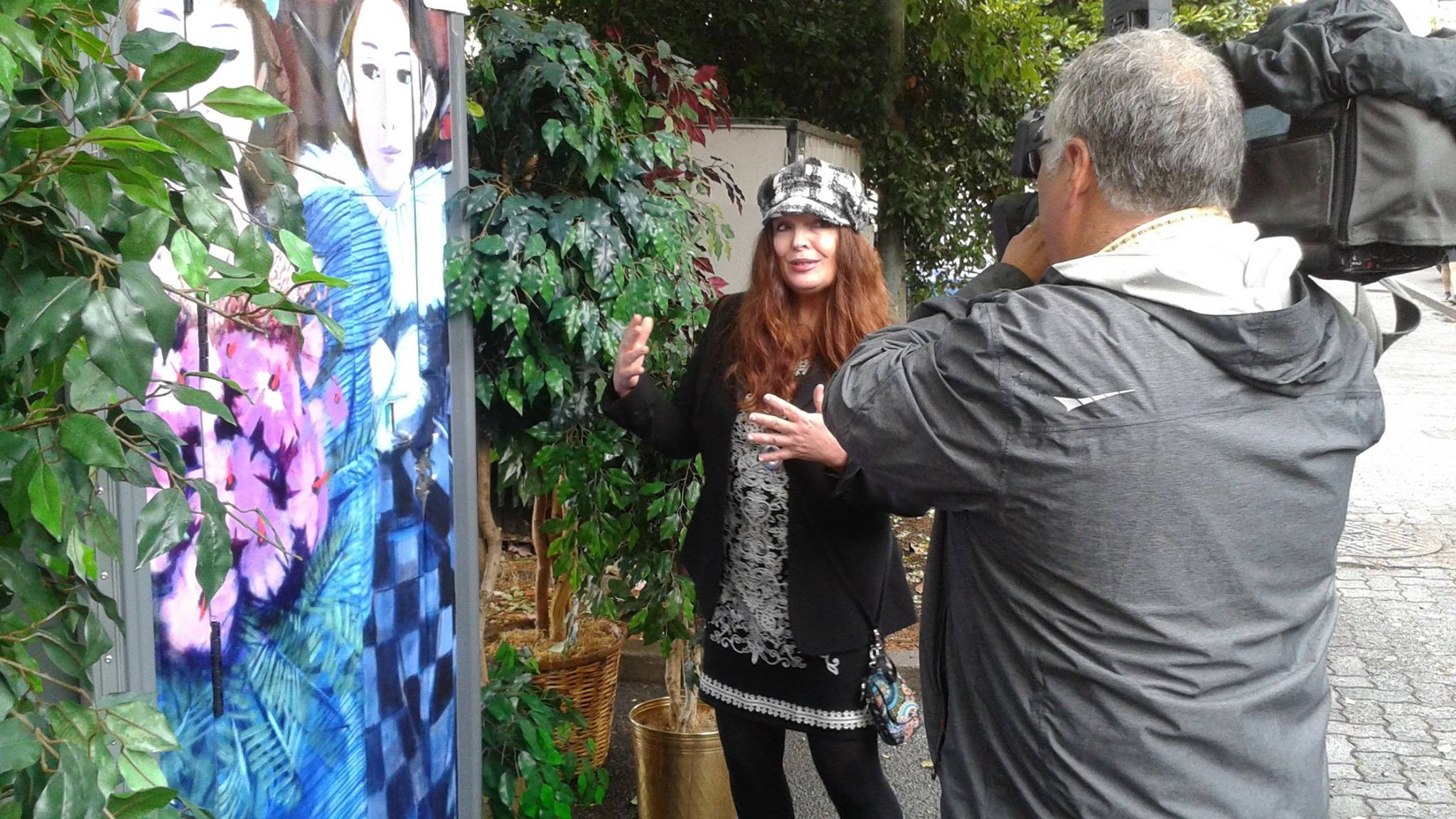
Rebecca Maitland CourtneyRebec­ca Mait­land Court­ney is a big believ­er in the heal­ing pow­er of paint­ing.

“Paint­ings come from pain,” said Court­ney, 56, Cre­ative Direc­tor of Roger Yost Gal­leries and Prop­er­ty Man­ag­er of the Reed Opera House in Salem. Paint­ing “makes life a lit­tle more bear­able.”

It’s what has helped her cope with prob­lems through­out her life both large and small. So when Court­ney saw a prob­lem plagu­ing the his­toric down­town shop­ping venue, the prob­lem of human waste being left in the streets by the home­less, she turned to the solu­tion she knows best.

“It’s a time where the cre­ative com­mu­ni­ty can be a bless­ing to the over­all com­mu­ni­ty,” she said.

And thus the Arta-Pot­ty was born.

For her TED talk, Court­ney will talk about how she helped cre­ate this ele­gant fit­ting of form and func­tion, this uniron­ic pair­ing of paint­ing with poop — in essence a Por­ta-Pot­ty with vibrant local art­work dis­played on their sur­faces — that is meet­ing a press­ing need while help­ing to revi­tal­ize Salem’s down­town with artis­tic panache.

The Arta-Pot­ty is a phe­nom­e­non that has tran­scend­ed its orig­i­nal use to become a “hap­pen­ing.” Enough of a hap­pen­ing to mer­it its own Face­book page; enough of a draw to host art exhi­bi­tions and music per­for­mances; enough of an inno­va­tion to elic­it inquiries from oth­er munic­i­pal­i­ties far and wide.

And it came from a sim­ple epiphany.

Toward the end of 2014 Court­ney noticed what she said was a sig­nif­i­cant increase in home­less peo­ple in the down­town busi­ness area sur­round­ing the Reed Opera House. With the influx of home­less, relat­ed prob­lems also rose, includ­ing what she said was an increase in human waste in the alley­ways and park­ing lots as well as an increase in inci­dents of pub­lic inde­cen­cy and prop­er­ty crimes.


The Arta PottyTra­di­tion­al approach­es to the prob­lem seemed both non­sen­si­cal and coun­ter­pro­duc­tive. Accord­ing to Court­ney, police would peri­od­i­cal­ly roust home­less camps in near­by Minto-Brown park, result­ing in the dis­placed home­less sim­ply migrat­ing down­town in search of shel­ter before being roust­ed once again. It made no sense to Court­ney, watch­ing the events unfold from her office.

“Until the big­ger sub­ject [of solv­ing home­less­ness] is dis­cussed, they will con­tin­ue to send home­less on pil­grim­ages,” she said.

Col­lab­o­rat­ing on a solu­tion with social wel­fare lead­ers like Ver­e­na Wes­sel of the Salem Home­less Coali­tion, and Pamel­la Phillips Wat­son, Janet Park­er and Emi­ly Goodall from the area reli­gious com­mu­ni­ty, the group soon real­ized that a large part of the prob­lem stemmed from peo­ple sim­ply hav­ing nowhere to go to the bath­room. The human waste, the pub­lic inde­cen­cy, the feel­ing of being unsafe – home­less men and women with no oth­er options were forced to expose and relieve them­selves in the street. Accord­ing to Court­ney it was also sti­fling the busi­ness envi­ron­ment, as passers­by became increas­ing­ly skit­tish about shop­ping or eat­ing in an area with such prob­lems, and the area increas­ing­ly looked run-down and dilap­i­dat­ed.

Today, thanks to vol­un­teer and local busi­ness efforts mar­shalled by the so-called “Arta-Pot­ty Five,” there are five Arta-Pot­ties with­in a sev­en-block area of high-den­si­ty pedes­tri­an traf­fic, with plans to expand even more. Accord­ing to Court­ney at least one occa­sion­al­ly plays host to an art exhib­it in which home­less men and women are invit­ed to min­gle with the greater com­mu­ni­ty.

The Arta-Pot­ty cause came around at the right time for Court­ney, a self-described “emp­ty nester.”

“At this point in my life, you’re not afraid to make a mis­take,” she said. “It’s kind of free­ing in a way.”

But it has also served to bring a deep­er sense of con­nec­tion to her com­mu­ni­ty, Court­ney said.

“Zero-degrees of sep­a­ra­tion,” she said. “It made me real­ize how close we actu­al­ly are to the highs and lows of soci­ety, the world of the fall­en and the world of incred­i­ble oppor­tu­ni­ty.”

The leaders spearheading the Arta-Potty movement. From left to right: Pamella Phillips Watson, Janet Parker, Emily Goodall, Verena Wessel, and Courtney.
The lead­ers spear­head­ing the Arta-Pot­ty move­ment. From left to right: Pamel­la Phillips Wat­son, Janet Park­er, Emi­ly Goodall, Ver­e­na Wes­sel, and Court­ney.


Get your tick­ets for TEDxSalem IV

Tick­ets are on sale now for Salem’s annu­al TEDx event Sat­ur­day, Jan­u­ary 7, 2017. Tick­ets are $50, $40 for a stu­dent. The all-day event includes talks, per­for­mances, refresh­ments, lunch and a swag bag. Fol­low us on Face­book for the most up-to-date news from our com­mu­ni­ty, and check our web­site reg­u­lar­ly for new infor­ma­tion. You can also reach us at info@tedxsalem.us.

 

Filed Under: 2017 TEDxSalem, Speakers, TEDxSalem IV, Uncategorized Tagged With: Art and Society, Arta Potty

« Previous Page
Next Page »
  • Home
  • About
  • Attend
  • Blog
  • Apply to be a Speaker
  • TEDxSalemWomen
  • TEDxYouth@Salem

Copyright © 2026