• Skip to primary navigation
  • Skip to main content

TEDxSalem

Ideas worth spreading

  • Facebook
  • Instagram
  • Twitter
  • Home
  • Attend
    • TEDxSalem VII
  • About
  • Artist in Residence
  • Blog
  • Partners
  • Past TEDxSalem events
    • TEDxSalem VI
    • TEDxSalem V
    • TEDxSalem IV
    • TEDxSalem III
    • TEDxSalem II
    • TEDxSalem I

Eric Howald

Travis Jank: Bitcoin and the 21st Century Gold Rush

August 28, 2014 By Eric Howald

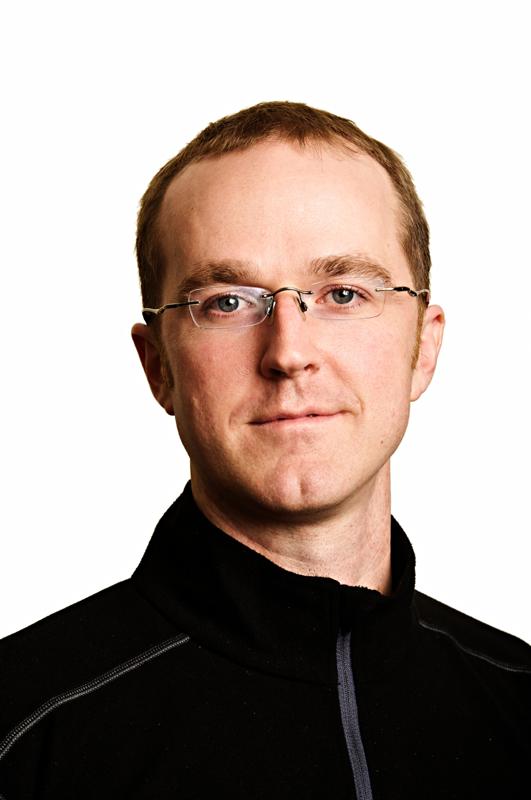
Head ShotTravis Jank’s inter­est in cryp­tocur­ren­cy, exchang­ing mon­ey through encrypt­ed trans­ac­tions, is an evo­lu­tion of his ear­li­er inter­ests.

“I’ve been into over­clock­ing com­put­ers for a while, which is tak­ing the fastest, newest tech­nol­o­gy and push­ing it to its out­er lim­its by cool­ing it with liq­uid nitro­gen,” Jank said. “The com­put­ers need for cryp­tocur­ren­cy, like bit­coin, are extreme­ly fast and pow­er­ful so I start­ed learn­ing about it in 2009 and it kind of took off from there.”

Jank will be shar­ing his inter­est in bit­coin and what he sees in its poten­tial at his TEDxSalem talk Sat­ur­day, Sept. 13.

To under­stand the rise of bit­coin, Jank sug­gest tak­ing a look back into the era of the Cal­i­for­nia gold rush.

“They did­n’t just allow one com­pa­ny to buy up all the land and start min­ing. They said, ‘It’s here, come and stake your claim,’” Jank said. “Bit­coin start­ed in sort of the same way, it was cre­at­ed with the idea that any­one with mon­ey and access to a com­put­er would be able to exchange mon­ey for goods and ser­vices with­out the bar­ri­ers of the estab­lished finan­cial sys­tems.”

The prin­ci­ples behind cryp­tocur­ren­cy writ large are the same decen­tral­ized ones behind the larg­er inter­net of putting peo­ple on an equal foot­ing, but apply­ing it to mon­ey.

That said, Bit­coin does have its detrac­tors and has expe­ri­enced some dis­con­cert­ing grow­ing pains. Because the cur­ren­cy is unreg­u­lat­ed and a rel­a­tive­ly small per­cent­age of over­all wealth is invest­ed in it, it’s pos­si­ble for major play­ers to have out­sized impacts.

“When Chi­na jumped into bit­coin, we saw the val­ue go from $100 to $1,300. When the gov­ern­ment scaled back its invest­ment it dropped to $400, and now is hov­er­ing around $700,” Jank said. “Some peo­ple made a lot of mon­ey, some peo­ple lost a lot of mon­ey, but it was the same way dur­ing the gold rush.”

Reign­ing in that volatil­i­ty is a mat­ter of spread­ing the bit­coin to a larg­er num­ber of busi­ness­es and con­sumers, he said.

“Right now, you can’t always get what you want in exchange for bit­coin ‚so it can add an extra step, but I can see it becom­ing some­thing like a check­ing account. The new peo­ple who use and accept bit­coin are also bring­ing in new ideas about low­er­ing the bar­ri­ers,” Jank said.

In the long-run, Jank sees cryp­tocur­ren­cy as a poten­tial cure for some of our finan­cial woes (think deficits and default­ing), and a equal­i­ty-dri­ven world,. If you want to hear how, you’ll need a tick­et for TEDxSalem 2014. Buy one now.

Filed Under: 2014 TEDxSalem, Uncategorized

Kyle Terry: Going dark on the net

August 28, 2014 By Eric Howald

amyviningphotography06For some, curios­i­ty is as much a hob­by as an instinct.

Fol­low­ing a ques­tion down a rab­bit hole can lead the inves­ti­ga­tor into some unsa­vory ter­ri­to­ry, and it can make one won­der whether they should have asked it in the first place.

TEDx speak­er Kyle Ter­ry, a soft­ware engi­neer, likes hav­ing a place where he can chase curios­i­ty guilt-free, and he’ll be shar­ing it with TEDX atten­dees in his talk Explor­ing the Dark­nets.

“We should be allowed to be curi­ous about some­thing and go do research on it with­out feel­ing guilty,” Ter­ry said.

Dark­nets are fre­quent­ly described as the “hid­den inter­net.” It’s com­prised of the sites and pages that don’t show up on Google search­es and most often make head­lines for all the wrong rea­sons.

“The biggest chal­lenge for the dark­net is con­tent. When­ev­er it’s in the head­lines it’s for things like pornog­ra­phy or drug or guns,” Ter­ry said.

One of the more recent devel­op­ments was the shut­ting down of a site called The Silk Road, where trans­ac­tions for things like drugs and firearms pro­lif­er­at­ed. But, Ter­ry has been look­ing specif­i­cal­ly at the more advan­ta­geous aspect of what the dark­net pro­vides: anonymi­ty.

“The dark­net was used dur­ing the Arab Spring to orga­nize protests, it’s been used to share infor­ma­tion in Chi­na. In Iran, the inter­net is heav­i­ly cen­sored and mon­i­tored. TOR has been key to keep­ing users anony­mous so that the gov­ern­ment there can’t iden­ti­fy indi­vid­ual tar­gets,” Ter­ry said.

TOR is a soft­ware bun­dle that encrypts and redi­rects traf­fic between an end user and its des­ti­na­tion for the spe­cif­ic pur­pose of keep­ing the user anony­mous.

Fig­ur­ing out a way to fun­nel the ben­e­fi­cial aspects away from the unsa­vory con­tent remains a chal­lenge, but Ter­ry feels that more users would have such an effect.

“A lot of peo­ple think that edu­ca­tion is kind of the answer, but I think it’s ease of use. Peo­ple will encrypt things if it’s easy and they won’t if it’s not. TOR has the right mod­el with a soft­ware bun­dle, it’s now a mat­ter of get­ting more peo­ple to use it,” he said.

If you think you’re ready to get start­ed, Ter­ry will be point­ing peo­ple in the right direc­tions dur­ing his talk. Buy your tick­ets here.

Filed Under: 2014 TEDxSalem

Following in the footsteps of Atticus Finch — TEDx at the Elsinore

August 19, 2014 By Eric Howald

Elsinore_TheatreWhen the speak­ers at TEDxSalem 2014 take the stage in Sep­tem­ber, they’ll become part of a lin­eage at the His­toric Elsi­nore The­ater that includes enter­tain­ers of every stripe.

“From Bach to rock and bal­let to Broad­way, we’ve pret­ty much host­ed it all,” said Stephen Mar­tin, exec­u­tive direc­tor of STAGE, the non-prof­it orga­ni­za­tion that runs the facil­i­ty.

Com­pos­er and con­duc­tor John Philip Souza once held court at the Elsi­nore, actor Gre­go­ry Peck made his final pub­lic appear­ance there, actor Hal Hol­brook (who you might know as the voice and face of Deep Throat in All the Pres­i­den­t’s Men) has made mul­ti­ple appear­ances on its stage, most recent­ly as part of his one-man show Mark Twain Tonight.

“This past sea­son we host­ed Mer­le Hag­gard and B.B. King,” Mar­tin said.

The the­atre opened its doors in May 1926 show­ing the silent film The Vol­ga Boat­man. It was envi­sioned by devel­op­er George Guthrie to resem­ble a cas­tle from the Eliz­a­bethan era, and much of that splen­dor remains intact after ren­o­va­tions that were com­plet­ed a decade ago.

“It’s meant to take vis­i­tors to a dif­fer­ent place in the way the­aters of that time peri­od were famous for. With the right light­ing, the lob­by is meant to evoke a cas­tle court­yard each evening,” Mar­tin said. “To our knowl­edge, the Elsi­nore is also the only Tudor goth­ic the­atre west of the Mis­sis­sip­pi.”

In 1980, the the­atre was sched­uled for the wreck­ing ball when a group of com­mu­ni­ty mem­bers rose in an attempt to save it, but bal­lot mea­sures that would have autho­rized a city pur­chase and con­tin­ued oper­at­ing funds were both defeat­ed.

Undaunt­ed, the devot­ed group of cit­i­zens orga­nized com­mu­ni­ty days with free shows at the the­atre that drew large crowds and kept the build­ing at the fore­front of atten­tion and off radar of the demol­ish­ing crews. In 1990, when the own­er decid­ed to sell his the­atre chain, which includ­ed the Elsi­nore, the Save the Elsi­nore Com­mitte joined forces with anoth­er group hop­ing to bring a large audi­to­ri­um into the city and formed STAGE – Salem The­atre Audi­to­ri­um Group Enter­prise, a non­prof­it char­i­ty for the per­form­ing arts. With the help of $400,000 from Mey­er Memo­r­i­al Trust, STAGE took own­er­ship in 1993.

Along the way, the Elsi­nore is also became home to a mas­sive 26 rank Wurl­itzer organ with 1,778 pipes (the largest in the Pacif­ic North­west that is able to mim­ic the sounds of trum­pets, oboes, harps along­side numer­ous oth­ers. The organ accom­pa­nies many of the reg­u­lar silent movie show­ings dur­ing the Elsi­nore’s sched­ule.

TEDxSalem presents an oppor­tu­ni­ty to mar­ry some of the Elsi­nore’s his­to­ry with its future, Mar­tin said.

“TED’s focus on tech­nol­o­gy and the roots of our the­atre in the the high tech of its time, it will be a great jux­ta­po­si­tion. All among won­der­ful clas­si­cal archi­tec­ture,” he said.


Filed Under: 2014 TEDxSalem

Richard Surroz: Tech and the death of missed connections

August 7, 2014 By Eric Howald

Richard-SIt does­n’t take much of a con­ver­sa­tion with Richard Sur­roz to real­ize that he’s basi­cal­ly made a hob­by of sur­pris­ing peo­ple.

After drop­ping out of high school at 17 to join the Army, Sur­roz lat­er went on to earn a bach­e­lor’s degree in soft­ware engi­neer­ing and a mas­ter’s degree in teach­ing, which he con­tin­ues to do for ITT Tech­ni­cal Insti­tutes, but it goes beyond that. Sur­roz man­u­fac­tures sur­pris­es, too. They come in the form of mod­ded com­put­ers that have tak­en the form of every­thing from wall art to a Star Wars clone troop­er to Autop­sy his pièce de résis­tance, a com­put­er mold­ed into the inner “organs” of a translu­cent man­nequin.

The last one graced was his first project to grace the cov­er of CPU Mag­a­zine.

“I can’t paint and I can’t sculpt, but I was able to look at the com­po­nents and make art­work out of them. When you think back to the old, big IDE cables, who says we can’t make origa­mi out of them?” Sur­roz said.

Sur­roz will be talk­ing about his pas­sion for com­put­ing in his TEDxSalem Talk, The Chang­ing Par­a­digms of Per­sonal Com­put­ing: Wear­ables and beyond. His talk is the result of his own evo­lu­tion with tech­nol­o­gy. Sur­roz’s eye for dis­man­tling com­put­ers and reassem­bling in new forms has earned him clients that span the globe. He’s also a reg­u­lar con­sul­tant for Nvidia, a San­ta Clara, Calif.-based graph­ics pro­cess­ing com­pa­ny.

“The inter­net has giv­en me reach across the globe. It’s not that I’m spe­cial, it’s the nature of the com­mon inter­ests. Because of that the polit­i­cal and phys­i­cal bar­ri­ers are tran­scend­ed. The inter­net makes it pos­si­ble to find each oth­er,” Sur­roz said.

As such, he’s enthu­si­as­tic about devel­op­ments in wear­able tech­nol­o­gy like Google Glass for its abil­i­ty to bring those con­nec­tions back down to the local lev­el.

“We could pass each oth­er in the street and nev­er know we had com­mon inter­ests, but wear­able tech makes those con­nec­tions pos­si­ble,” Sur­roz said. “Even more excit­ing is the way that tech­nol­o­gy might help us improve our own lives in terms of things like health.”

Eye con­tacts that also mon­i­tor blood sug­ar are a recent advance­ment in that area, but Sur­roz believes even greater heights are just around the cor­ner.

“We’re at the point where we have a pow­er­ful com­put­er in our pock­et, our band­width is capa­ble and our serv­er capa­bil­i­ty is where it needs to be. We’re reach­ing the point when we’ll be able to do high-end gam­ing or 3D ren­der­ing using the phone or tablet is an inter­face, but the work can done on a remote serv­er with much more pow­er,” he said.

To learn more about our poten­tial future, you’ll need a tick­et to TEDxSalem. Buy yours here.

Filed Under: Uncategorized

Accessing TED Talks for newbies (and veterans)

July 29, 2014 By Eric Howald

TEDxSalem RonTEDxSalem might be a local audi­ence’s first for­ay into the world of TED talks, but there are a num­ber of ways to access ideas worth spread­ing, and most are avail­able for no charge.

The first stop on any tour of TED is www.ted.com. The site fea­tures all of the talks giv­en a the pre­em­i­nent TED con­fer­ences around the world, and offers the oppor­tu­ni­ty to go deep quick on every­thing from the impor­tance of vul­tures to the ecosys­tem to explo­rations how video gam­ing can make us bet­ter prob­lem-solvers.

One of the more fun ways to access top­ics that you nev­er knew inter­est­ed you is through the site’s Sur­prise Me search. With two ques­tions about the emo­tion­al state you want to reach and how much time you have, the results will typ­i­cal­ly present you with a num­ber of options.

For par­ents and edu­ca­tors of all stripes, ed.ted.com, can­not be rec­om­mend­ed high­ly enough. The site offers micro-lessons that can be used as fod­der for, or part of, larg­er con­ver­sa­tions.  Every­thing from the chem­istry of auto­mo­biles to how writ­ers of books and film devel­oped fic­tion­al lan­guages is cov­ered.

Look­ing for more syn­the­sis and draw­ing con­nec­tions between var­i­ous TED Talks? Try the TED Radio Hour pro­duced by NPR. The show fea­tures TED talks focused around spe­cif­ic themes and often calls upon the lec­tur­ers them­selves to add fur­ther insight than they could squeeze into their min­utes on the stage. For a sam­ple, we rec­om­mend a recent episode titled What is Orig­i­nal?  It fea­tures four dif­fer­ent speak­ers on every­thing from remix cul­ture to bor­rowed ideas in fash­ion.

Those with a Net­flix sub­scrip­tion can access a num­ber of TED Talk col­lec­tions grouped around themes rang­ing from life­hack­ing that will make you more pro­duc­tive and effi­cient to the impact of social media on dai­ly and inter­na­tion­al inter­ac­tions.

If a par­tic­u­lar TED Talk leaves you want­i­ng to know more about a top­ic, try search­ing TED Books for a more fleshed-out approach to the sub­ject. The books, which are usu­al­ly more like long-form essays, may take you deep­er into the mind of a schiz­o­phrenic or help you get involved in the efforts to erad­i­cate land­mines. All the books are avail­able in for­mats suit­able for most e‑readers and usu­al­ly only $2.

The vast amount of knowl­edge and human expe­ri­ence cat­a­logued in all these spaces can be equal parts inspir­ing and over­whelm­ing, but there real­ly is no sub­sti­tute for expe­ri­enc­ing a live TED event. Whether you’re a TED Talk vet­er­an or a new­bie, we’d love to have you along for the sec­ond annu­al TEDxSalem. Buy your tick­ets here.

Filed Under: 2014 TEDxSalem

Mark Frohnmayer: Toward a more equal vote

July 24, 2014 By Eric Howald

Frohnmayer-MarkMark Frohn­may­er has set up a for­mi­da­ble task for him­self as a TEDx speak­er, he’s going to make math and pol­i­tics inter­est­ing.

How­ev­er, he’s more than ready for the chal­lenge.

Frohn­may­er is one of the faces of recent peti­tion dri­ves seek­ing sup­port for equal­iz­ing the vote in Ore­gon through an open pri­ma­ry sys­tem. Such a sys­tem would lead to vot­ers cast­ing final bal­lots for one of two favored can­di­dates, regard­less of par­ti­san affil­i­a­tion, in any elec­tion.

“The eas­i­est way to trans­form our elec­tions is to change the pri­ma­ry from a rank­ing sys­tem to a rat­ing sys­tem and an open field of can­di­dates with a yes/no option on each one,” Frohn­may­er said.

Frohn­may­er’s back­ground includes sev­er­al years cod­ing video games and, more recent­ly, lead­ing the devel­op­ment of elec­tric-based vehi­cle com­pa­ny Arci­mo­to in Eugene. He said his pas­sion for democ­ra­cy comes from watch­ing his father, Dave Frohn­may­er, lose a guber­na­to­r­i­al cam­paign in 1990 when a far-right can­di­date siphoned off more than 10 per­cent of the vote.

“I’ve been in this mix of math­e­mat­ics and com­put­er sci­ence and immersed in pol­i­tics. It drove me to do a lot of think­ing about vot­ing equal­i­ty and the spoil­er effect,” he said.

Frohn­may­er said equal­iz­ing the vote comes down to coun­ter­act­ing two fun­da­men­tal inequal­i­ties. The first is the rank­ing sys­tem we cur­rent­ly use, which lim­its most elec­tions to two can­di­dates, amounts to one vote divid­ed by the total num­ber of can­di­dates the vot­er likes. The more can­di­dates one prefers, the more that sin­gle vote gets divid­ed. The sec­ond inequity relates more to the closed pri­ma­ry sys­tem in which any can­di­date must pass a “puri­ty test” from the par­ty faith­ful to ascend beyond the open­ing stages of the race.

“When you add up those two inequal­i­ties, the sys­tem is heav­i­ly biased toward mon­ey. Vot­ers become incen­tivized toward the can­di­date in the strongest finan­cial posi­tion on their side,” he said.

In a pri­ma­ry sys­tem with more equi­ty, a bal­lot would include a list of can­di­date names with the option to vote “yes” or “no” on each one, he said. The top two would face each oth­er in the run-off dur­ing the gen­er­al elec­tion. Frohn­may­er said it would be akin to choos­ing whether to like a post on face­book or not, or decid­ing what num­ber of stars to give a prod­uct on amazon.com.

“Even that very sim­ple ‘like’ is more pow­er­ful that our cur­rent rank­ing sys­tem because it com­mu­ni­cates which choic­es you approve. Every sin­gle rat­ing sys­tem affords the chance to cast a bal­anc­ing rat­ing or vote,” Frohn­may­er said. “It removes the lim­i­ta­tion of a sin­gle choice.”

To find out how to become more involved in chang­ing the process, you’ll have to come lis­ten to his talk on Sept. 16.

Get your tick­ets at the His­toric Elsi­nore The­atre or online: http://goo.gl/pI3UJ2.

You can view Frohn­mey­er’s TEDx­Con­cor­dia talk on sus­tain­able trans­porta­tion here.

Filed Under: 2014 TEDxSalem

Next Page »
  • Home
  • About
  • Attend
  • Blog
  • Apply to be a Speaker
  • TEDxSalemWomen
  • TEDxYouth@Salem

Copyright © 2026