• Skip to primary navigation
  • Skip to main content
  • Skip to primary sidebar

TEDxSalem

Ideas worth spreading

  • Facebook
  • Instagram
  • Twitter
  • Home
  • Attend
    • TEDxSalem VII
  • About
  • Artist in Residence
  • Blog
  • Partners
  • Past TEDxSalem events
    • TEDxSalem VI
    • TEDxSalem V
    • TEDxSalem IV
    • TEDxSalem III
    • TEDxSalem II
    • TEDxSalem I

Blog

Richard Surroz: Tech and the death of missed connections

August 7, 2014 By Eric Howald

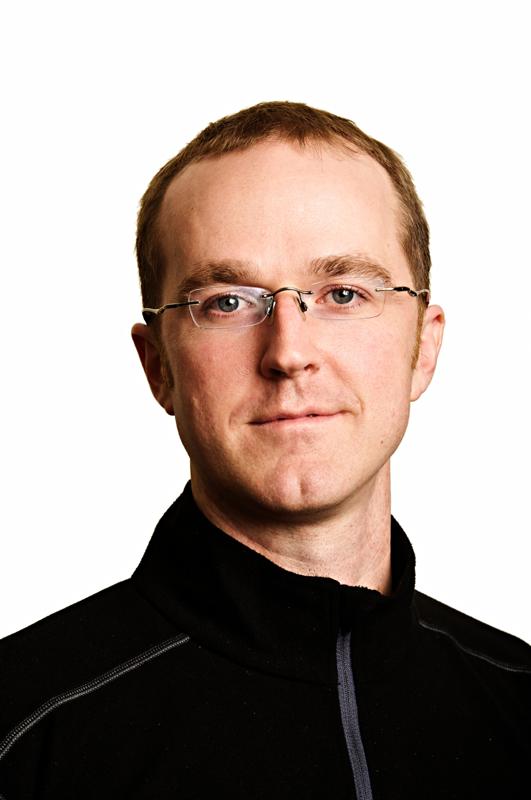
Richard-SIt does­n’t take much of a con­ver­sa­tion with Richard Sur­roz to real­ize that he’s basi­cal­ly made a hob­by of sur­pris­ing peo­ple.

After drop­ping out of high school at 17 to join the Army, Sur­roz lat­er went on to earn a bach­e­lor’s degree in soft­ware engi­neer­ing and a mas­ter’s degree in teach­ing, which he con­tin­ues to do for ITT Tech­ni­cal Insti­tutes, but it goes beyond that. Sur­roz man­u­fac­tures sur­pris­es, too. They come in the form of mod­ded com­put­ers that have tak­en the form of every­thing from wall art to a Star Wars clone troop­er to Autop­sy his pièce de résis­tance, a com­put­er mold­ed into the inner “organs” of a translu­cent man­nequin.

The last one graced was his first project to grace the cov­er of CPU Mag­a­zine.

“I can’t paint and I can’t sculpt, but I was able to look at the com­po­nents and make art­work out of them. When you think back to the old, big IDE cables, who says we can’t make origa­mi out of them?” Sur­roz said.

Sur­roz will be talk­ing about his pas­sion for com­put­ing in his TEDxSalem Talk, The Chang­ing Par­a­digms of Per­sonal Com­put­ing: Wear­ables and beyond. His talk is the result of his own evo­lu­tion with tech­nol­o­gy. Sur­roz’s eye for dis­man­tling com­put­ers and reassem­bling in new forms has earned him clients that span the globe. He’s also a reg­u­lar con­sul­tant for Nvidia, a San­ta Clara, Calif.-based graph­ics pro­cess­ing com­pa­ny.

“The inter­net has giv­en me reach across the globe. It’s not that I’m spe­cial, it’s the nature of the com­mon inter­ests. Because of that the polit­i­cal and phys­i­cal bar­ri­ers are tran­scend­ed. The inter­net makes it pos­si­ble to find each oth­er,” Sur­roz said.

As such, he’s enthu­si­as­tic about devel­op­ments in wear­able tech­nol­o­gy like Google Glass for its abil­i­ty to bring those con­nec­tions back down to the local lev­el.

“We could pass each oth­er in the street and nev­er know we had com­mon inter­ests, but wear­able tech makes those con­nec­tions pos­si­ble,” Sur­roz said. “Even more excit­ing is the way that tech­nol­o­gy might help us improve our own lives in terms of things like health.”

Eye con­tacts that also mon­i­tor blood sug­ar are a recent advance­ment in that area, but Sur­roz believes even greater heights are just around the cor­ner.

“We’re at the point where we have a pow­er­ful com­put­er in our pock­et, our band­width is capa­ble and our serv­er capa­bil­i­ty is where it needs to be. We’re reach­ing the point when we’ll be able to do high-end gam­ing or 3D ren­der­ing using the phone or tablet is an inter­face, but the work can done on a remote serv­er with much more pow­er,” he said.

To learn more about our poten­tial future, you’ll need a tick­et to TEDxSalem. Buy yours here.

Filed Under: Uncategorized

Guest post: How one TEDxSalem talk can change the world of medicine

August 5, 2014 By Saerom

Photo by Ron Cooper
Pho­to by Ron Coop­er

Edi­tor’s note: Dr. Pamela Wible, a fam­i­ly physi­cian in Eugene, is one of our speak­ers from our inau­gur­al event last year. Her talk has gone viral since, and her ideas have been fea­tured in nation­al news out­lets such as Al Jazeera Amer­i­ca, Wash­ing­ton Post and Huff­in­g­ton Post. Who would’ve thought? TEDxSalem helped one Ore­go­ni­an’s idea spread to the world.

Below is her take on the nine months.

I’m not a small talk doc. My ther­a­pist calls me “the Dr. Kevorkian of med­ical taboos.” I’m most com­fort­able dis­cussing the uncom­fort­able — top­ics that scare off most physi­cians. In my TED talk, I bust through 3 taboos: human sex­u­al­i­ty, physi­cian-patient inti­ma­cy, and doc­tor sui­cides. Is there a con­ve­nient time to talk about all this? With over 100,000 views, I think the time is now:

In many cul­tures, those who trav­el into for­bid­den ter­ri­to­ry are ostra­cized. But some­times, the pub­lic demands—even craves the truth. There has been an over­whelm­ing pub­lic response to my TED talk and the media is buzzing.

The Wash­ing­ton Post asked to pub­lish my physi­cian sui­cide blog in their news­pa­per and online (with TED talk embed­ded). When doc­tors com­mit sui­cide, it’s often hushed up was the third most read nation­al news sto­ry that day. Due to high read­er­ship, they’ve asked for anoth­er arti­cle. The Huff­in­g­ton Post invit­ed me to con­tribute Why I Kiss My Patients. The Dai­ly Beast show­cased my TED talk in The Health-Care Sys­tem Is So Bro­ken, It’s Time for Doc­tors to Strike. Reader’s Digest inter­viewed me and so has Time Mag­a­zine.

As a result of my TED talk, I’ve been fea­tured in jour­nals such as Med­ical Eco­nom­ics and Ore­gon Med­ical Asso­ci­a­tion. After post­ing my arti­cle: Physi­cian Sui­cide Let­ters which links to my TED talk, the edi­tor at one med­ical site e‑mailed: “We have nev­er had com­ments of that mag­ni­tude and it is utter­ly eye-open­ing for me.” I am now the top trend­ing author on KevinMD.com | Social media’s lead­ing physi­cian voice. My pre­sen­ta­tion is now list­ed as the No. 1 TED talk that med­ical stu­dents must watch here: Three TED Talks Med Stu­dents Should Watch.

After view­ing my TED talk, the pro­duc­er of Amer­i­ca Tonight sent a crew from DC to film me for 2 days. An excel­lent 11-minute pro­gram on physi­cian sui­cide aired on prime time nation­al TV with por­tions of my TED replayed! Though not acces­si­ble online, Here’s why 9 out of 10 doc­tors would­n’t rec­om­mend med­i­cine as a pro­fes­sion in a much abbre­vi­at­ed print ver­sion of that sto­ry.

I thought my TED talk was just for Amer­i­cans, until I was named New Zealand’s Com­pas­sion Hero and then fea­tured in the UK on Med­de­bate. Sui­ci­dal and depressed physi­cians and med­ical stu­dents have con­tact­ed me from all over the world after view­ing my TED talk. I pro­vide assis­tance and lives have poten­tial­ly been saved. I receive mail from patients too. They tell me I’ve helped them devel­op more heal­ing rela­tion­ships with their doc­tors.

I’m a small-town doc with big ideas. Peo­ple think I have a PR team. I do not. My TED talk has spread by word of mouth and click of mouse. In less than 6 months since my talk was uploaded, it has gone glob­al.

And this proves to me that one TED talk can change the world of med­i­cine.

Filed Under: Uncategorized

Roger Anunsen: The science of the aging brain

July 31, 2014 By Laura Fosmire

Over the course of his life, Roger Anun­sen has been and done many things: A lawyer, teacher, activ­i­ties direc­tor for a local assist­ed-liv­ing home.

Roger AnunsenHe’s also been a pio­neer in the field of brain sci­ence, par­tic­u­lar­ly as it applies in aging. And as one of this year’s speak­ers at TEDxSalem, he’s going to give a glimpse into the future of how sci­ence will alter its under­stand­ing of aging in the brain.

Anun­sen, a Salem native who can trace his Ore­gon roots back to his great-grand­par­ents, start­ed his career as an attor­ney. After grad­u­at­ing from law school at Willamette Uni­ver­si­ty, he went on to work with the Linn Coun­ty pub­lic defend­ers, build­ing a 26-year career in tri­al law.

But 1998, he says, was the year of the burnout.

“I was try­ing to work hard­er instead of smarter,” he said. “I was work­ing longer and longer and I lost my pas­sion for law.”

Anun­sen took a job a few days a week dri­ving a van with an assist­ed-liv­ing facil­i­ty in Salem. Not long after that, he was asked if he want­ed to take over as activ­i­ties direc­tor — a job, he was delight­ed to find, he loved.

“I just treat­ed them all like my Nana,” he said. “I learned from my grand­moth­er, when you ask some­one who is old­er ‘How are you?’ it’s a dead-end ques­tion.”

By that, he means, is that ask­ing some­one how they are tends to elic­it what Anun­sen calls The Organ Recital: A list­ing of com­plaints of the var­i­ous aches and pains that accom­pa­ny grow­ing old­er. When your first response is such a neg­a­tive focus, he explains, it releas­es a chem­i­cal in the human body that just makes it worse.

Instead, he began build­ing activ­i­ties to shift the focus to fun, con­fi­dence-build­ing activ­i­ties.

“I was just try­ing to find some­thing to keep their atten­tion,” he said. “I would just keep what worked and threw out what did­n’t.”

His tech­niques drew the atten­tion of a grad­u­ate stu­dent who hap­pened to be in the build­ing, who then went on to tell their pro­fes­sor. Before long, Anun­sen said, groups of aca­d­e­mics were com­ing to study what he was doing.

“They asked me, if we did clin­i­cal tri­als, would you be will­ing?” he remem­bered. “I did­n’t even know what a clin­i­cal tri­al was.”

Now, Anun­sen is teach­ing cours­es at Port­land Com­mu­ni­ty Col­lege; he’s worked for AARP design­ing brain health pro­grams and was a vot­ing del­e­gate at the White House Con­fer­ence on Aging; he’s even had a sci­en­tif­ic paper pub­lished in the Jour­nal of Men­tal Health and Aging.

“It’s excit­ing, and it seems to be get­ting bet­ter,” he said. “It’s hard­er than rock­et sci­ence, but once you boil it down, it’s just get­ting back con­trol.”

Anun­sen keeps up-to-date on the lat­est research being pub­lished on the sub­ject. Just a few weeks ago, there was a par­tic­u­lar­ly thrilling announce­ment made at a glob­al brain sci­ence con­fer­ence that he said fits in nice­ly with his TED talk — but you’ll have to hear him explain it.

“Knowl­edge is pow­er,” he said, when asked what he hopes peo­ple will gain from his TED talk. “And cog­ni­tive decline is not — bold, under­lined — inevitable. There needs to be a nation­al pol­i­cy to edu­cate the pub­lic.”

Get your tick­ets at the His­toric Elsi­nore The­atre or online: http://goo.gl/pI3UJ2.

Filed Under: 2014 TEDxSalem

Accessing TED Talks for newbies (and veterans)

July 29, 2014 By Eric Howald

TEDxSalem RonTEDxSalem might be a local audi­ence’s first for­ay into the world of TED talks, but there are a num­ber of ways to access ideas worth spread­ing, and most are avail­able for no charge.

The first stop on any tour of TED is www.ted.com. The site fea­tures all of the talks giv­en a the pre­em­i­nent TED con­fer­ences around the world, and offers the oppor­tu­ni­ty to go deep quick on every­thing from the impor­tance of vul­tures to the ecosys­tem to explo­rations how video gam­ing can make us bet­ter prob­lem-solvers.

One of the more fun ways to access top­ics that you nev­er knew inter­est­ed you is through the site’s Sur­prise Me search. With two ques­tions about the emo­tion­al state you want to reach and how much time you have, the results will typ­i­cal­ly present you with a num­ber of options.

For par­ents and edu­ca­tors of all stripes, ed.ted.com, can­not be rec­om­mend­ed high­ly enough. The site offers micro-lessons that can be used as fod­der for, or part of, larg­er con­ver­sa­tions.  Every­thing from the chem­istry of auto­mo­biles to how writ­ers of books and film devel­oped fic­tion­al lan­guages is cov­ered.

Look­ing for more syn­the­sis and draw­ing con­nec­tions between var­i­ous TED Talks? Try the TED Radio Hour pro­duced by NPR. The show fea­tures TED talks focused around spe­cif­ic themes and often calls upon the lec­tur­ers them­selves to add fur­ther insight than they could squeeze into their min­utes on the stage. For a sam­ple, we rec­om­mend a recent episode titled What is Orig­i­nal?  It fea­tures four dif­fer­ent speak­ers on every­thing from remix cul­ture to bor­rowed ideas in fash­ion.

Those with a Net­flix sub­scrip­tion can access a num­ber of TED Talk col­lec­tions grouped around themes rang­ing from life­hack­ing that will make you more pro­duc­tive and effi­cient to the impact of social media on dai­ly and inter­na­tion­al inter­ac­tions.

If a par­tic­u­lar TED Talk leaves you want­i­ng to know more about a top­ic, try search­ing TED Books for a more fleshed-out approach to the sub­ject. The books, which are usu­al­ly more like long-form essays, may take you deep­er into the mind of a schiz­o­phrenic or help you get involved in the efforts to erad­i­cate land­mines. All the books are avail­able in for­mats suit­able for most e‑readers and usu­al­ly only $2.

The vast amount of knowl­edge and human expe­ri­ence cat­a­logued in all these spaces can be equal parts inspir­ing and over­whelm­ing, but there real­ly is no sub­sti­tute for expe­ri­enc­ing a live TED event. Whether you’re a TED Talk vet­er­an or a new­bie, we’d love to have you along for the sec­ond annu­al TEDxSalem. Buy your tick­ets here.

Filed Under: 2014 TEDxSalem

Mark Frohnmayer: Toward a more equal vote

July 24, 2014 By Eric Howald

Frohnmayer-MarkMark Frohn­may­er has set up a for­mi­da­ble task for him­self as a TEDx speak­er, he’s going to make math and pol­i­tics inter­est­ing.

How­ev­er, he’s more than ready for the chal­lenge.

Frohn­may­er is one of the faces of recent peti­tion dri­ves seek­ing sup­port for equal­iz­ing the vote in Ore­gon through an open pri­ma­ry sys­tem. Such a sys­tem would lead to vot­ers cast­ing final bal­lots for one of two favored can­di­dates, regard­less of par­ti­san affil­i­a­tion, in any elec­tion.

“The eas­i­est way to trans­form our elec­tions is to change the pri­ma­ry from a rank­ing sys­tem to a rat­ing sys­tem and an open field of can­di­dates with a yes/no option on each one,” Frohn­may­er said.

Frohn­may­er’s back­ground includes sev­er­al years cod­ing video games and, more recent­ly, lead­ing the devel­op­ment of elec­tric-based vehi­cle com­pa­ny Arci­mo­to in Eugene. He said his pas­sion for democ­ra­cy comes from watch­ing his father, Dave Frohn­may­er, lose a guber­na­to­r­i­al cam­paign in 1990 when a far-right can­di­date siphoned off more than 10 per­cent of the vote.

“I’ve been in this mix of math­e­mat­ics and com­put­er sci­ence and immersed in pol­i­tics. It drove me to do a lot of think­ing about vot­ing equal­i­ty and the spoil­er effect,” he said.

Frohn­may­er said equal­iz­ing the vote comes down to coun­ter­act­ing two fun­da­men­tal inequal­i­ties. The first is the rank­ing sys­tem we cur­rent­ly use, which lim­its most elec­tions to two can­di­dates, amounts to one vote divid­ed by the total num­ber of can­di­dates the vot­er likes. The more can­di­dates one prefers, the more that sin­gle vote gets divid­ed. The sec­ond inequity relates more to the closed pri­ma­ry sys­tem in which any can­di­date must pass a “puri­ty test” from the par­ty faith­ful to ascend beyond the open­ing stages of the race.

“When you add up those two inequal­i­ties, the sys­tem is heav­i­ly biased toward mon­ey. Vot­ers become incen­tivized toward the can­di­date in the strongest finan­cial posi­tion on their side,” he said.

In a pri­ma­ry sys­tem with more equi­ty, a bal­lot would include a list of can­di­date names with the option to vote “yes” or “no” on each one, he said. The top two would face each oth­er in the run-off dur­ing the gen­er­al elec­tion. Frohn­may­er said it would be akin to choos­ing whether to like a post on face­book or not, or decid­ing what num­ber of stars to give a prod­uct on amazon.com.

“Even that very sim­ple ‘like’ is more pow­er­ful that our cur­rent rank­ing sys­tem because it com­mu­ni­cates which choic­es you approve. Every sin­gle rat­ing sys­tem affords the chance to cast a bal­anc­ing rat­ing or vote,” Frohn­may­er said. “It removes the lim­i­ta­tion of a sin­gle choice.”

To find out how to become more involved in chang­ing the process, you’ll have to come lis­ten to his talk on Sept. 16.

Get your tick­ets at the His­toric Elsi­nore The­atre or online: http://goo.gl/pI3UJ2.

You can view Frohn­mey­er’s TEDx­Con­cor­dia talk on sus­tain­able trans­porta­tion here.

Filed Under: 2014 TEDxSalem

Catherine Miller: Art, technology… and cats

July 17, 2014 By Laura Fosmire

If you’ve spent a lot of time on the inter­net, par­tic­u­lar­ly social media sites and Buz­zfeed arti­cles, you may be famil­iar with the cat beard trend.

For Cather­ine Miller, her intro­duc­tion to cat beard­ing came at a piv­otal moment in her life.

Catherine Miller

Some­thing about the sil­ly inter­net images stuck. Miller spent hours look­ing through peo­ple’s pic­tures with their cats (and dogs), find­ing the fun­ni­est ones.

“I laughed so hard, my face hurt, my stom­ach hurt,” she said. “And then I start­ed draw­ing them.”

Miller, a 29-year-old artist born and raised in Port­land, has been an artist all her life. As a child, she immersed her­self in the col­or­ful world of crayons (“not just the cray­on itself, but the wrap­per, too”) and was nev­er with­out a col­or­ing book. Her school­ing was all in art and she has curat­ed a num­ber of exhibits through­out Port­land in a vari­ety of media — paints, sculp­ture, water­col­or, sketch­ing. She’ll work in what­ev­er medi­um feels best suit­ed to a piece, she said, but “if I’m want­i­ng to feel relaxed or feel at home, it’s always with a brush.”

Her art has large­ly includ­ed the same theme. Miller is visu­al­ly impaired (she’s legal­ly blind), and is in fact the first visu­al­ly-impaired artist to grad­u­ate from the Pacif­ic North­west Col­lege of Arts. Since grad­u­a­tion, she has used her work to point out how the fine arts can often fail to cater to dis­abled patrons, and worked to make the fine arts world more inclu­sive. In 2011, she curat­ed an exhib­it called ‘A Some­what Secret Place,’ meant to high­light art cre­at­ed by and for those with dis­abil­i­ties.

She’s been obses­sive­ly draw­ing cat memes from the inter­net since last June.

“Late­ly I’ve switched from just cat beards to inter­net-famous felines, so I’ve been work­ing on hip­ster kit­ty and dub­step kit­ty a lot this week,” she said. “It’s great. I find that I real­ly con­nect with peo­ple that way.”

She sees an impor­tant inter­sec­tion between tech­nol­o­gy, com­mu­ni­ca­tion and, of course, cats. And that inter­sec­tion is with art.

“The job of an artist, real­ly, is to point the gaze of soci­ety at some­thing,” she said. “That’s why I’ve been draw­ing these images. That is, I’m not say­ing it’s great or it’s not great. It is. This is. And per­haps more impor­tant than you were think­ing.”

Filed Under: 2014 TEDxSalem

« Previous Page
Next Page »

Primary Sidebar

Join our email list

Subscribe

* indicates required

Recent Blog Posts

  • Beyond Limits Aerial Dance to thrill audience at TEDxSalem
  • Clinical Neuropsychologist Justin Feinstein: Diving into Float Therapy
  • Jewelia Owens brings electric-guitar-infused folk to TEDxSalem
  • Nina Baliga: Accessible tech is better tech for everyone
  • Hailey Hardcastle: student advocate
  • Home
  • About
  • Attend
  • Blog
  • Apply to be a Speaker
  • TEDxSalemWomen
  • TEDxYouth@Salem

Copyright © 2026