• Skip to primary navigation
  • Skip to main content

TEDxSalem

Ideas worth spreading

  • Facebook
  • Instagram
  • Twitter
  • Home
  • Attend
    • TEDxSalem VII
  • About
  • Artist in Residence
  • Blog
  • Partners
  • Past TEDxSalem events
    • TEDxSalem VI
    • TEDxSalem V
    • TEDxSalem IV
    • TEDxSalem III
    • TEDxSalem II
    • TEDxSalem I

2014 TEDxSalem

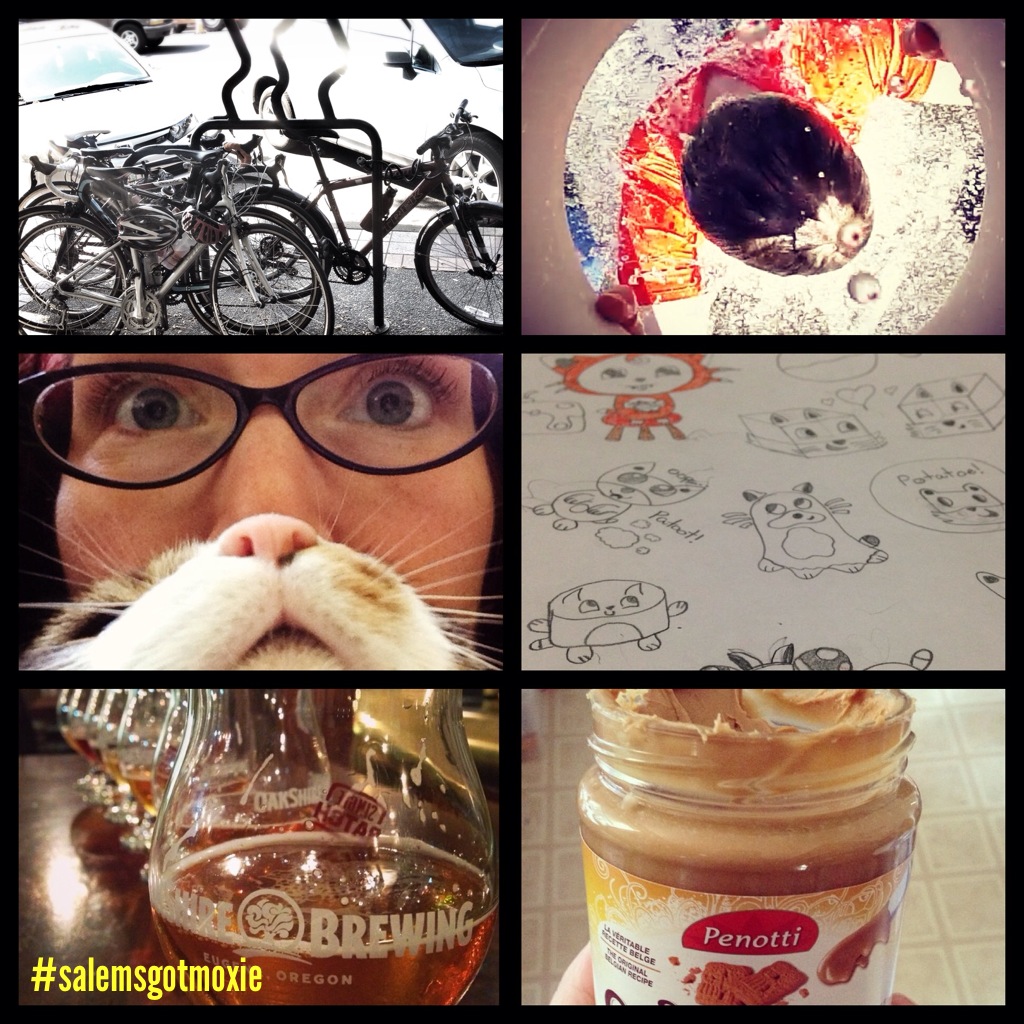
#salemsgotmoxie Instagram Contest

August 20, 2014 By Carlee Wright

image
#salems­got­mox­ie TEDxSalem Insta­gram Con­test

Did you know…

The theme for TEDxSalem 2014 is MOXIE, which is defined as a force of char­ac­ter, deter­mi­na­tion, courage, ener­gy, or nerve.

TEDxSalem wants to know: What does MOXIE mean to you?

Show us some­thing with MOXIE. It could be you your mom, your cat, your couch (or your mom’s cat’s couch)

Post your “MOXIE” pho­to to Insta­gram and tag them #salems­got­mox­ie
(If you want, you can also tag @tedxsalem)

The pho­to with the most likes on Insta­gram by 10 p.m. PST Wednes­day, Sep­tem­ber 3rd will be award­ed two free tick­ets to TEDxSalem on Sat­ur­day, Sep­tem­ber 13 at the His­toric Elsi­nore The­ater. That’s a retail val­ue of $100. Actu­al val­ue: price­less.

There is no lim­it to how many pho­tos you can enter, so get snap­ping. The con­test begins now and runs through Sep­tem­ber 3, 2014. Don’t delay, share your MOXIE today!

(Fine print: Prize is not redeemable for cash. Win­ner will be con­tact­ed upon con­test com­ple­tion. We must hear back from the win­ner with­in 48 hours to claim prize. If we do not hear back with­in 48 hours the tick­ets will be award­ed to the own­er of the pho­to with the sec­ond most likes. All pho­tos must be prop­er­ty of the per­son who posts them.)

Filed Under: 2014 TEDxSalem, Contests

Following in the footsteps of Atticus Finch — TEDx at the Elsinore

August 19, 2014 By Eric Howald

Elsinore_TheatreWhen the speak­ers at TEDxSalem 2014 take the stage in Sep­tem­ber, they’ll become part of a lin­eage at the His­toric Elsi­nore The­ater that includes enter­tain­ers of every stripe.

“From Bach to rock and bal­let to Broad­way, we’ve pret­ty much host­ed it all,” said Stephen Mar­tin, exec­u­tive direc­tor of STAGE, the non-prof­it orga­ni­za­tion that runs the facil­i­ty.

Com­pos­er and con­duc­tor John Philip Souza once held court at the Elsi­nore, actor Gre­go­ry Peck made his final pub­lic appear­ance there, actor Hal Hol­brook (who you might know as the voice and face of Deep Throat in All the Pres­i­den­t’s Men) has made mul­ti­ple appear­ances on its stage, most recent­ly as part of his one-man show Mark Twain Tonight.

“This past sea­son we host­ed Mer­le Hag­gard and B.B. King,” Mar­tin said.

The the­atre opened its doors in May 1926 show­ing the silent film The Vol­ga Boat­man. It was envi­sioned by devel­op­er George Guthrie to resem­ble a cas­tle from the Eliz­a­bethan era, and much of that splen­dor remains intact after ren­o­va­tions that were com­plet­ed a decade ago.

“It’s meant to take vis­i­tors to a dif­fer­ent place in the way the­aters of that time peri­od were famous for. With the right light­ing, the lob­by is meant to evoke a cas­tle court­yard each evening,” Mar­tin said. “To our knowl­edge, the Elsi­nore is also the only Tudor goth­ic the­atre west of the Mis­sis­sip­pi.”

In 1980, the the­atre was sched­uled for the wreck­ing ball when a group of com­mu­ni­ty mem­bers rose in an attempt to save it, but bal­lot mea­sures that would have autho­rized a city pur­chase and con­tin­ued oper­at­ing funds were both defeat­ed.

Undaunt­ed, the devot­ed group of cit­i­zens orga­nized com­mu­ni­ty days with free shows at the the­atre that drew large crowds and kept the build­ing at the fore­front of atten­tion and off radar of the demol­ish­ing crews. In 1990, when the own­er decid­ed to sell his the­atre chain, which includ­ed the Elsi­nore, the Save the Elsi­nore Com­mitte joined forces with anoth­er group hop­ing to bring a large audi­to­ri­um into the city and formed STAGE – Salem The­atre Audi­to­ri­um Group Enter­prise, a non­prof­it char­i­ty for the per­form­ing arts. With the help of $400,000 from Mey­er Memo­r­i­al Trust, STAGE took own­er­ship in 1993.

Along the way, the Elsi­nore is also became home to a mas­sive 26 rank Wurl­itzer organ with 1,778 pipes (the largest in the Pacif­ic North­west that is able to mim­ic the sounds of trum­pets, oboes, harps along­side numer­ous oth­ers. The organ accom­pa­nies many of the reg­u­lar silent movie show­ings dur­ing the Elsi­nore’s sched­ule.

TEDxSalem presents an oppor­tu­ni­ty to mar­ry some of the Elsi­nore’s his­to­ry with its future, Mar­tin said.

“TED’s focus on tech­nol­o­gy and the roots of our the­atre in the the high tech of its time, it will be a great jux­ta­po­si­tion. All among won­der­ful clas­si­cal archi­tec­ture,” he said.


Filed Under: 2014 TEDxSalem

Your TEDxSalem summer reading list

August 12, 2014 By Laura Fosmire

It’s hard to believe it’s already August. On the one hand, it means that sum­mer is wind­ing to a close. On the oth­er, it means we are just that much clos­er to TEDxSalem 2014!

To get you through these last few weeks and make the most of your remain­ing sum­mer, we reached out to our bril­liant group of speak­ers from last year’s TEDxSalem, to ask them the very sim­ple ques­tion: What are you read­ing?

If you need ideas on the best books to feed your brain, look no fur­ther:

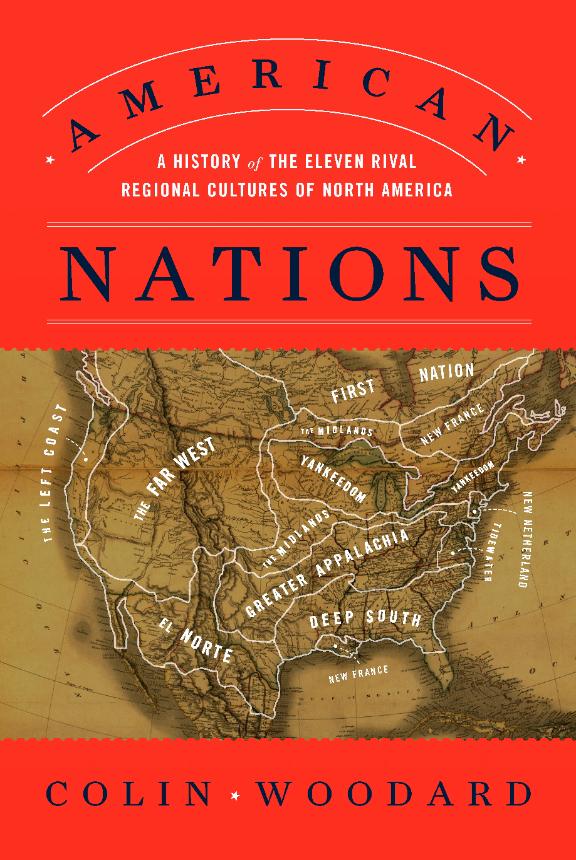
cover._American_Nations-576x860

What Kel­ly Williams Brown is read­ing: Amer­i­can Nations: A His­to­ry of the Eleven Rival Region­al Cul­tures of North Amer­i­ca, by Col­in Woodard.

As some­one who has moved around the coun­try a LOT, I real­ly love this book — it’s a cul­tur­al his­to­ry of the 11 sep­a­rate cul­tur­al nations that make up North Amer­i­ca. It’s a fas­ci­nat­ing his­to­ry book and, I think, does a great job of explain­ing how and why, say, Louisiana and Ore­gon are such dif­fer­ent places. I high­ly, high­ly rec­om­mend it!

(Revis­it Kel­ly’s TEDxSalem talk about mil­len­ni­als here!)

circuit-bending-build-your-own-alien-instruments

What Chris Hahn is read­ing: Cir­cuit-Bend­ing: Build Your Own Alien Instru­ments, by Reed Ghaz­a­la.

It’s about tak­ing old elec­tron­ics and hack­ing the cir­cuit­ry to make it do things that it was nev­er intend­ed to do, most­ly for the pur­pose of sound design and exper­i­men­ta­tion. The idea of pick­ing up used bat­tery-pow­ered toys at Good­will and then pok­ing around the insides with wires and con­nec­tors to make strange sounds is odd­ly appeal­ing.

(Chris Hahn and Dick­ie Adams intro­duced us to Luma Infi­na­ta, which you can re-watch here!)

6a00d83451bcff69e2015434e15cbe970c

What Elaine Sanchez is read­ing: The Hare With the Amber Eyes, by Edmund DeWaal.

It is a fas­ci­nat­ing biog­ra­phy of an extreme­ly wealthy Jew­ish fam­i­ly with roots in Rus­sia, Paris and Vien­na pre-World War I through World War II. It is long, dense and over­ly descrip­tive, but now that I’m more than halfway through it, I’m very inter­est­ed to see how it’s going to end. I’m read­ing it because it is one of my book club selec­tions.

I often read books I would­n’t oth­er­wise select because of the book club. There are a lot of books they chose that I don’t like, but I always learn some­thing new.

(Relive Elaine’s hilar­i­ous TEDxSalem talk, ‘Hav­ing the Sex Talk with Dad’, here!)

51fn77An4QL._SY344_BO1,204,203,200_

What Eric Howald is read­ing: The Mas­sive, by Bri­an Wood.

A post-apoc­a­lyp­tic graph­ic nov­el focused on a rogue team of envi­ron­men­tal­ists still fight­ing the good fight after cli­mate change has flood­ed much of the plan­et’s coastal areas and sunk entire nations. I love every­thing about this com­ic and each new col­lec­tion gets bet­ter and bet­ter as they explore aspects of human­i­ty as much as the threats of cli­mate change.

(Revis­it Eric’s TEDxSalem talk about com­ic books and social jus­tice here!)

What about you, Salem? What books have you been read­ing this sum­mer?

Filed Under: 2014 TEDxSalem

Roger Anunsen: The science of the aging brain

July 31, 2014 By Laura Fosmire

Over the course of his life, Roger Anun­sen has been and done many things: A lawyer, teacher, activ­i­ties direc­tor for a local assist­ed-liv­ing home.

Roger AnunsenHe’s also been a pio­neer in the field of brain sci­ence, par­tic­u­lar­ly as it applies in aging. And as one of this year’s speak­ers at TEDxSalem, he’s going to give a glimpse into the future of how sci­ence will alter its under­stand­ing of aging in the brain.

Anun­sen, a Salem native who can trace his Ore­gon roots back to his great-grand­par­ents, start­ed his career as an attor­ney. After grad­u­at­ing from law school at Willamette Uni­ver­si­ty, he went on to work with the Linn Coun­ty pub­lic defend­ers, build­ing a 26-year career in tri­al law.

But 1998, he says, was the year of the burnout.

“I was try­ing to work hard­er instead of smarter,” he said. “I was work­ing longer and longer and I lost my pas­sion for law.”

Anun­sen took a job a few days a week dri­ving a van with an assist­ed-liv­ing facil­i­ty in Salem. Not long after that, he was asked if he want­ed to take over as activ­i­ties direc­tor — a job, he was delight­ed to find, he loved.

“I just treat­ed them all like my Nana,” he said. “I learned from my grand­moth­er, when you ask some­one who is old­er ‘How are you?’ it’s a dead-end ques­tion.”

By that, he means, is that ask­ing some­one how they are tends to elic­it what Anun­sen calls The Organ Recital: A list­ing of com­plaints of the var­i­ous aches and pains that accom­pa­ny grow­ing old­er. When your first response is such a neg­a­tive focus, he explains, it releas­es a chem­i­cal in the human body that just makes it worse.

Instead, he began build­ing activ­i­ties to shift the focus to fun, con­fi­dence-build­ing activ­i­ties.

“I was just try­ing to find some­thing to keep their atten­tion,” he said. “I would just keep what worked and threw out what did­n’t.”

His tech­niques drew the atten­tion of a grad­u­ate stu­dent who hap­pened to be in the build­ing, who then went on to tell their pro­fes­sor. Before long, Anun­sen said, groups of aca­d­e­mics were com­ing to study what he was doing.

“They asked me, if we did clin­i­cal tri­als, would you be will­ing?” he remem­bered. “I did­n’t even know what a clin­i­cal tri­al was.”

Now, Anun­sen is teach­ing cours­es at Port­land Com­mu­ni­ty Col­lege; he’s worked for AARP design­ing brain health pro­grams and was a vot­ing del­e­gate at the White House Con­fer­ence on Aging; he’s even had a sci­en­tif­ic paper pub­lished in the Jour­nal of Men­tal Health and Aging.

“It’s excit­ing, and it seems to be get­ting bet­ter,” he said. “It’s hard­er than rock­et sci­ence, but once you boil it down, it’s just get­ting back con­trol.”

Anun­sen keeps up-to-date on the lat­est research being pub­lished on the sub­ject. Just a few weeks ago, there was a par­tic­u­lar­ly thrilling announce­ment made at a glob­al brain sci­ence con­fer­ence that he said fits in nice­ly with his TED talk — but you’ll have to hear him explain it.

“Knowl­edge is pow­er,” he said, when asked what he hopes peo­ple will gain from his TED talk. “And cog­ni­tive decline is not — bold, under­lined — inevitable. There needs to be a nation­al pol­i­cy to edu­cate the pub­lic.”

Get your tick­ets at the His­toric Elsi­nore The­atre or online: http://goo.gl/pI3UJ2.

Filed Under: 2014 TEDxSalem

Accessing TED Talks for newbies (and veterans)

July 29, 2014 By Eric Howald

TEDxSalem RonTEDxSalem might be a local audi­ence’s first for­ay into the world of TED talks, but there are a num­ber of ways to access ideas worth spread­ing, and most are avail­able for no charge.

The first stop on any tour of TED is www.ted.com. The site fea­tures all of the talks giv­en a the pre­em­i­nent TED con­fer­ences around the world, and offers the oppor­tu­ni­ty to go deep quick on every­thing from the impor­tance of vul­tures to the ecosys­tem to explo­rations how video gam­ing can make us bet­ter prob­lem-solvers.

One of the more fun ways to access top­ics that you nev­er knew inter­est­ed you is through the site’s Sur­prise Me search. With two ques­tions about the emo­tion­al state you want to reach and how much time you have, the results will typ­i­cal­ly present you with a num­ber of options.

For par­ents and edu­ca­tors of all stripes, ed.ted.com, can­not be rec­om­mend­ed high­ly enough. The site offers micro-lessons that can be used as fod­der for, or part of, larg­er con­ver­sa­tions.  Every­thing from the chem­istry of auto­mo­biles to how writ­ers of books and film devel­oped fic­tion­al lan­guages is cov­ered.

Look­ing for more syn­the­sis and draw­ing con­nec­tions between var­i­ous TED Talks? Try the TED Radio Hour pro­duced by NPR. The show fea­tures TED talks focused around spe­cif­ic themes and often calls upon the lec­tur­ers them­selves to add fur­ther insight than they could squeeze into their min­utes on the stage. For a sam­ple, we rec­om­mend a recent episode titled What is Orig­i­nal?  It fea­tures four dif­fer­ent speak­ers on every­thing from remix cul­ture to bor­rowed ideas in fash­ion.

Those with a Net­flix sub­scrip­tion can access a num­ber of TED Talk col­lec­tions grouped around themes rang­ing from life­hack­ing that will make you more pro­duc­tive and effi­cient to the impact of social media on dai­ly and inter­na­tion­al inter­ac­tions.

If a par­tic­u­lar TED Talk leaves you want­i­ng to know more about a top­ic, try search­ing TED Books for a more fleshed-out approach to the sub­ject. The books, which are usu­al­ly more like long-form essays, may take you deep­er into the mind of a schiz­o­phrenic or help you get involved in the efforts to erad­i­cate land­mines. All the books are avail­able in for­mats suit­able for most e‑readers and usu­al­ly only $2.

The vast amount of knowl­edge and human expe­ri­ence cat­a­logued in all these spaces can be equal parts inspir­ing and over­whelm­ing, but there real­ly is no sub­sti­tute for expe­ri­enc­ing a live TED event. Whether you’re a TED Talk vet­er­an or a new­bie, we’d love to have you along for the sec­ond annu­al TEDxSalem. Buy your tick­ets here.

Filed Under: 2014 TEDxSalem

Mark Frohnmayer: Toward a more equal vote

July 24, 2014 By Eric Howald

Frohnmayer-MarkMark Frohn­may­er has set up a for­mi­da­ble task for him­self as a TEDx speak­er, he’s going to make math and pol­i­tics inter­est­ing.

How­ev­er, he’s more than ready for the chal­lenge.

Frohn­may­er is one of the faces of recent peti­tion dri­ves seek­ing sup­port for equal­iz­ing the vote in Ore­gon through an open pri­ma­ry sys­tem. Such a sys­tem would lead to vot­ers cast­ing final bal­lots for one of two favored can­di­dates, regard­less of par­ti­san affil­i­a­tion, in any elec­tion.

“The eas­i­est way to trans­form our elec­tions is to change the pri­ma­ry from a rank­ing sys­tem to a rat­ing sys­tem and an open field of can­di­dates with a yes/no option on each one,” Frohn­may­er said.

Frohn­may­er’s back­ground includes sev­er­al years cod­ing video games and, more recent­ly, lead­ing the devel­op­ment of elec­tric-based vehi­cle com­pa­ny Arci­mo­to in Eugene. He said his pas­sion for democ­ra­cy comes from watch­ing his father, Dave Frohn­may­er, lose a guber­na­to­r­i­al cam­paign in 1990 when a far-right can­di­date siphoned off more than 10 per­cent of the vote.

“I’ve been in this mix of math­e­mat­ics and com­put­er sci­ence and immersed in pol­i­tics. It drove me to do a lot of think­ing about vot­ing equal­i­ty and the spoil­er effect,” he said.

Frohn­may­er said equal­iz­ing the vote comes down to coun­ter­act­ing two fun­da­men­tal inequal­i­ties. The first is the rank­ing sys­tem we cur­rent­ly use, which lim­its most elec­tions to two can­di­dates, amounts to one vote divid­ed by the total num­ber of can­di­dates the vot­er likes. The more can­di­dates one prefers, the more that sin­gle vote gets divid­ed. The sec­ond inequity relates more to the closed pri­ma­ry sys­tem in which any can­di­date must pass a “puri­ty test” from the par­ty faith­ful to ascend beyond the open­ing stages of the race.

“When you add up those two inequal­i­ties, the sys­tem is heav­i­ly biased toward mon­ey. Vot­ers become incen­tivized toward the can­di­date in the strongest finan­cial posi­tion on their side,” he said.

In a pri­ma­ry sys­tem with more equi­ty, a bal­lot would include a list of can­di­date names with the option to vote “yes” or “no” on each one, he said. The top two would face each oth­er in the run-off dur­ing the gen­er­al elec­tion. Frohn­may­er said it would be akin to choos­ing whether to like a post on face­book or not, or decid­ing what num­ber of stars to give a prod­uct on amazon.com.

“Even that very sim­ple ‘like’ is more pow­er­ful that our cur­rent rank­ing sys­tem because it com­mu­ni­cates which choic­es you approve. Every sin­gle rat­ing sys­tem affords the chance to cast a bal­anc­ing rat­ing or vote,” Frohn­may­er said. “It removes the lim­i­ta­tion of a sin­gle choice.”

To find out how to become more involved in chang­ing the process, you’ll have to come lis­ten to his talk on Sept. 16.

Get your tick­ets at the His­toric Elsi­nore The­atre or online: http://goo.gl/pI3UJ2.

You can view Frohn­mey­er’s TEDx­Con­cor­dia talk on sus­tain­able trans­porta­tion here.

Filed Under: 2014 TEDxSalem

« Previous Page
Next Page »
  • Home
  • About
  • Attend
  • Blog
  • Apply to be a Speaker
  • TEDxSalemWomen
  • TEDxYouth@Salem

Copyright © 2026