• Skip to primary navigation
  • Skip to main content

TEDxSalem

Ideas worth spreading

  • Facebook
  • Instagram
  • Twitter
  • Home
  • Attend
    • TEDxSalem VII
  • About
  • Artist in Residence
  • Blog
  • Partners
  • Past TEDxSalem events
    • TEDxSalem VI
    • TEDxSalem V
    • TEDxSalem IV
    • TEDxSalem III
    • TEDxSalem II
    • TEDxSalem I

2015 Speakers

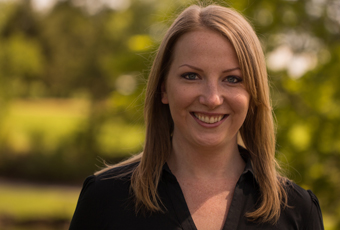
Maya Kaup: Stepping Up to Stop Food Waste

July 16, 2015 By Jay Shenai

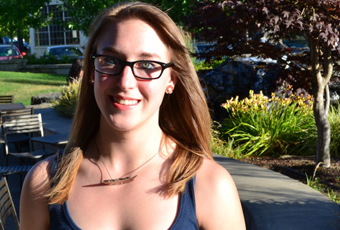
From music lessons to sports like gym­nas­tics and track, to vol­un­teer­ing with the Girl Scouts, Maya Kaup, 20, was raised to explore every oppor­tu­ni­ty, and to stay busy. Maya KaupTo find a niche. To get involved. It was only nat­ur­al, then, dur­ing her fresh­man year at Willamette Uni­ver­si­ty that a Face­book video on food waste and com­mu­ni­ty hunger spurred her to action. Why not bring food recov­ery to her school?

Why not here? Why not me?

“Some­one had to do it,” the biol­o­gy major said. “I see it as a moral oblig­a­tion.”

For her TED talk, Kaup will share her expe­ri­ences found­ing the Willamette Uni­ver­si­ty chap­ter of the Food Recov­ery Net­work, a nation­al non-prof­it that focus­es on fight­ing food waste and hunger. Accord­ing to FRN sta­tis­tics, 17.5 mil­lion fam­i­lies nation­wide are “food-inse­cure,” not sure where their next meal will come from. In Ore­gon, 15 per­cent of fam­i­lies are food-inse­cure; the pover­ty rate in Mar­i­on Coun­ty is 19.5 per­cent. Mean­while, Amer­i­cans dis­card 35 mil­lion tons of food per year, or rough­ly 40 per­cent of all food pro­duced in the coun­try.

In 2014, Kaup along with 20 vol­un­teers helped the uni­ver­si­ty block 8,000 pounds of sur­plus, unsold food from the garbage to feed the home­less. 635521005049941726-SAL1123-Causes-FoodRecovery-ar-01Not only is good food not thrown away, but nutri­tious fruits and veg­eta­bles are saved for those who can’t often have them, Kaup said.

“It’s a win-win,” she said.

When Kaup isn’t man­ag­ing the FRN, she takes a full course load at school, and also helps care for orphaned ani­mals at the Tur­tle Ridge Wildlife Cen­ter. See­ing the suc­cess­es of her efforts moti­vates her to do even more, she said.

It “fuels my fire,” she said. “It makes me real­ize I can make a dif­fer­ence.”

To see Maya Kaup and oth­er TEDx Salem 2015 speak­ers, buy tick­ets here.

Filed Under: 2015 Speakers, 2015 TEDxSalem Tagged With: 2015, Speaker Announcement, TEDxSalem

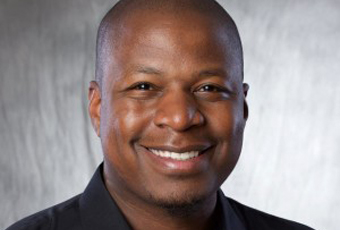
Lou Radja: Everyone deserves the opportunity to dance

July 9, 2015 By Stefanie Knowlton

Motivational speaker Lou Radja will share the lessons he learned growing up in the Congo and getting his education in the United States.
Lou Rad­ja will share the lessons he learned grow­ing up in the Con­go and get­ting his edu­ca­tion in the Unit­ed States.

“Jam­bo!”

Lou Rad­ja announces the Swahili greet­ing wher­ev­er he goes in his deep boom­ing voice and broad smile. It’s almost impos­si­ble not to smile back.

Rad­ja, 39, grew up in the Demo­c­ra­t­ic Repub­lic of Con­go, Africa, and, like his par­ents, attend­ed col­lege in the Unit­ed States. The gift of edu­ca­tion changed his fam­i­ly tree, and his life’s pur­pose is to return the favor.

“It’s essen­tial for our own sur­vival to take care of one anoth­er. There’s noth­ing spe­cial about it,” he said, “except human beings giv­ing every­one an oppor­tu­ni­ty to dance.”

One of his favorite say­ings from his vast col­lec­tion, is “when you take the ele­va­tor to the top; always send it back down for some­one else.”

Near­ly 50 years ago, mis­sion­ar­ies gave his father a chance to go to col­lege, not because he was smarter than every­one else, Rad­ja said, but because he was lucky.

“That’s when you real­ize that every­one has this organ­ic bril­liance but not every­one has the oppor­tu­ni­ty to show­case it,” he said. “That moti­vates me even more to give oth­ers the same oppor­tu­ni­ty.”

“I already know they are bril­liant,” he said, “all they need is a dance floor.”

Rad­ja found­ed EduCon­go, a U.S. based non­prof­it orga­ni­za­tion that helps more than 2,000 under­priv­i­leged chil­dren in the Con­go get a qual­i­ty edu­ca­tion. It’s his way of send­ing the ele­va­tor back down for some­one else.

Rad­ja is also a moti­va­tion­al speak­er who draws on his expe­ri­ence grow­ing up in Con­go and his edu­ca­tion in the Unit­ed States to inspire peo­ple to be more and give more. Rad­ja will share his talk “Africa, my roots. Amer­i­ca, my wings” at TEDxSalem Sat­ur­day, Oct. 3, at the Salem Con­ven­tion Cen­ter.

To hear Radja’s talk and lis­ten to oth­er TEDxSalem speak­ers, get your tick­ets here.

A few of Radja’s favorite quotes:

“Life isn’t about wait­ing for the storm to pass…It’s about learn­ing to dance in the rain.”
‑Vivian Greene

“If you want to go fast, go alone. If you want to go far, go with oth­ers.”
‑African proverb

“Twen­ty Years From Now You Will Be More Dis­ap­point­ed By The Things You Didn’t Do Than By The Ones You Did Do…Explore. Dream. Dis­cov­er.”
‑Attrib­uted to Mark Twain

Filed Under: 2015 Speakers, 2015 TEDxSalem Tagged With: Speaker Announcement

Rhea Stadick: Bringing Humanity to Software Development

July 2, 2015 By Jay Shenai

Some­times the only thing stand­ing in the way of suc­cess is doubt, accord­ing to Rhea Stadick, soft­ware devel­op­er and orga­ni­za­tion­al coach at Intel. “Just assump­tions that it can’t hap­pen, it won’t hap­pen, or there’s a rule against it,” she says.

There’s a lot less in your way than you think, she says, if you just have the courage to try some­thing new.

For her TED talk, Stadick will dis­cuss her efforts to bring a new man­age­ment approach to soft­ware, one that focus­es more on col­lab­o­ra­tion, adapt­abil­i­ty and inno­va­tion rather than con­for­mi­ty, dead­lines and “deliv­er­ables.” One that encour­ages “out-of-the-box” think­ing. It’s called Agile Devel­op­ment, and it promis­es not only bet­ter pro­grams for end users, but a bet­ter life for pro­gram­mers.

“It’s about bring­ing human­i­ty to the work­place,” says Stadick, sit­ting in her team room at Intel’s Jones Farm cam­pus, where she over­sees the company’s efforts to imple­ment Agile man­age­ment strate­gies. It seems espe­cial­ly odd to see robots posi­tioned around her as she says this. But those robots – in essence stands with mon­i­tor screens – help to mim­ic face-to-face meet­ings with pro­gram­mers who may be in oth­er coun­tries, part of Agile’s empha­sis on direct com­mu­ni­ca­tion. In and around the room there is a 3‑D print­er, couch­es, and a large white­board with var­i­ous Post-It notes on it, and ideas scrib­bled across its sur­face. A large wall-size win­dow opens to trees, leaves wav­ing in the wind.

It’s a breath of fresh air for pro­gram­mers, to have such an open space that encour­ages indi­vid­u­al­i­ty and cre­ative prob­lem-solv­ing.

And it’s a stark con­trast to the tra­di­tion­al­ly heavy-hand­ed, bureau­crat­ic and par­ti­tioned approach to soft­ware that defined the indus­try in the past, an approach infa­mous­ly por­trayed in the 1999 movie Office Space. Think exas­per­at­ed engi­neers — “I am good at deal­ing with peo­ple!! Can’t you under­stand that?!” – sep­a­rat­ing devel­op­ers from the company’s clients. Think Bill Lum­bergh, hand­ing out week­end work and enforc­ing cov­er sheets for TPS reports. Think Peter Gib­bons, drown­ing in a sea of cubi­cles every morn­ing, doing just enough work to not get has­sled.The Old Way

“Six-by-six cubi­cles are not nec­es­sar­i­ly what humans are designed to do,” Stadick says.

As a new soft­ware hire 10 years ago, she saw first­hand the frus­tra­tions of just cor­rect­ing defects instead of pre­vent­ing them, and spend­ing “crazy hours” on the job and at home, just to achieve the same aver­age suc­cess rate, nev­er bet­ter.

“I saw how painful some of the ways we ran projects and teams were for peo­ple,” she says.

Today, with Agile Devel­op­ment, Stadick is hop­ing to dri­ve change not just at Intel, but across the indus­try.  Her suc­cess could not only rev­o­lu­tion­ize the way we lead our projects, but also the way we lead our lives.

There are still some obsta­cles, she con­cedes, not sur­pris­ing when try­ing to uproot an assem­bly-line man­age­ment strat­e­gy that hear­kens back to the Model‑T. But Stadick has faith in her team.

“We work with the some of the most intel­li­gent peo­ple in the world,” she says.

“We can do pret­ty amaz­ing things; there’s not a lot of things hold­ing us back.”

Filed Under: 2015 Speakers, 2015 TEDxSalem Tagged With: 2015, Agile Development, Speaker Announcement, TEDxSalem, That would be great, tickets

TEDxSalem speaker has big ideas for small houses

June 25, 2015 By Stefanie Knowlton

Photo courtesy of Eugene Weekly
Pho­to cour­tesy of Todd Cooper/Eugene Week­ly

The Rev. Dan Bryant didn’t set out to rev­o­lu­tion­ize hous­ing for the home­less, it just sort of hap­pened.

Bryant is one of 13 speak­ers at this year’s TEDxSalem Oct. 3. His home base is First Chris­t­ian Church in Eugene where home­less and low-income res­i­dents go for help, meals and an empa­thet­ic ear down­town. So when Eugene strug­gled with an influx of home­less res­i­dents in 2011, the city invit­ed Bryant, along with many oth­ers, to brain­storm solu­tions.

“A place to be” topped the list of needs.

Then in walked Andy Heben, a guy who spent his sum­mer vis­it­ing home­less tent cities around the coun­try to under­stand what works and what doesn’t. Bryant hired Heben and togeth­er they per­suad­ed the city to let them pilot a home­less com­mu­ni­ty on one acre of unused city land in 2013.

That’s the gen­e­sis of Oppor­tu­ni­ty Vil­lage Eugene, the city’s first suc­cess­ful self-gov­erned home­less com­mu­ni­ty.  As many as 35 res­i­dents and five dogs call the vil­lage home at any one time.

“This isn’t some­thing I set out to do,” Bryant said. “I was more of a peace and social jus­tice guy work­ing on glob­al issues.”

Now he describes him­self as an acci­den­tal hous­ing wonk, and he has big ideas for the next evo­lu­tion of hous­ing for the home­less: Micro Hous­ing.

Cur­rent­ly there are few afford­able hous­ing options for home­less res­i­dents ready to strike out on their own. There is a five-year wait­ing list for sin­gles and cou­ples to get Sec­tion 8 Hous­ing, a fed­er­al hous­ing pro­gram for low-income res­i­dents.

But Bryant hopes to pilot a solu­tion this year that involves 1.2 acres, tiny homes and big ideas that pick up where Oppor­tu­ni­ty Vil­lage Eugene leaves off.

“It’s a game chang­er in many ways,” Bryant said, “They have their tiny ver­sion of the Amer­i­can dream.”

To hear how Bryant plans to rev­o­lu­tion­ize hous­ing for the home­less and to lis­ten to oth­er TEDx Salem speak­ers, get your tick­ets here.

Filed Under: 2015 Speakers, 2015 TEDxSalem Tagged With: Speaker Announcement

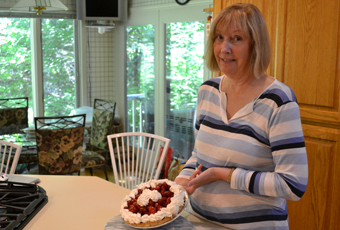
Vickie Hardin Woods: “Hi! Do you like pie?”

June 18, 2015 By Jay Shenai

Ac6-12-2015cord­ing to Vick­ie Hardin Woods, “if you’re going to give a gift, [a pie] is about the right gift.”

“If you give some­thing that is too valu­able, then the per­son feels oblig­ed to give some­thing back,” she said. “But you also want it to have enough effort and val­ue” to show that you care.

Two years ago Woods was inspired to per­fect the gift of giv­ing, one day at a time, with a lit­tle help from her oven. Over the course of a 365-day peri­od, begin­ning with a lemon meringue, she baked one fresh pie each day from scratch and deliv­ered it, unso­licit­ed, to friends, neigh­bors and even­tu­al­ly even com­plete strangers. She gained noto­ri­ety in local news by pho­tograph­ing each pie and its smil­ing, occa­sion­al­ly dis­ori­ent­ed recip­i­ent as part of her blog.

For her TEDx talk, Woods will dis­cuss how sur­pris­ing peo­ple with pie gave her both a deep­er under­stand­ing of com­mu­ni­ty, and insight into her own sense of pur­pose after retir­ing from a 30-year career in local gov­ern­ment.

A pie-a-day blog – Seems daunt­ing, but is it real­ly? Here are some key ingre­di­ents, and tips to make yours a smash hit at your next ran­dom encounter…

What you would need:

  • (137) dif­fer­ent pie recipes
  • Fresh, local, whole­some organ­ic ingre­di­ents
  • A Tum­blr blog
  • Be retired
  • Option­al: (5) grand­chil­dren to occa­sion­al­ly help deliv­er pies.

Break the ice. “That was on many days the hard­est thing I had to do,” she said, “to find some­body, and then approach them and give them the pie.” It’s impor­tant to estab­lish a con­nec­tion, even if it’s brief, she said.

“You can’t just walk up to a stranger and say, ‘Here’s a pie.’ You have to build some sort of rela­tion­ship, no mat­ter how short it is.”

Some were more recep­tive than oth­ers, she said. Some­times small talk would not be enough for a skep­ti­cal stranger; more often than not, though, Woods’ pie pitch would find a will­ing par­tic­i­pant.

“There’s some­thing about break­ing through that bar­ri­er,” she said. “I don’t know how many times I had peo­ple say to me, ‘This is the best thing that’s hap­pened to me today!”

Fail­ures hap­pen. “Usu­al­ly if [a pie] didn’t turn out, I fig­ured it was me, not the pie,” Woods said. She remem­bered a par­tic­u­lar pecan pie she tried to show off at a cook­ing class she was tak­ing at Carl’s Cui­sine on Chemeke­ta St. In a hur­ry, she had failed to give the pie enough time to set. “I opened up the car­ri­er and there’s this gooey mess all over the bot­tom.”

Blend until ingre­di­ents come togeth­er. Woods sees pie giv­ing as “less as grat­i­tude than just a gift, free of all encum­brances, grace,” she said. It took rough­ly a month to work up the nerve to approach her first stranger, she said. But the reward of mak­ing peo­ple hap­py made the chal­lenge worth­while for her.

“I got the sat­is­fac­tion of know­ing that I touched someone’s life,” she said.

For Woods, pie pro­vid­ed struc­ture to a life in tran­si­tion. It forced her to get out into the world. And in hand­ing home-baked good­ness to peo­ple some­times far from their home, she brought the world a lit­tle clos­er to hers.

“Each pie is its own jour­ney,” she said, from her kitchen to points unknown, and the sto­ries told and expe­ri­enced in between.

“That’s what life is about, our sto­ries.”


– To see Vick­ie Hardin Woods and oth­er TEDx Salem 2015 speak­ers, get your tick­ets here.


Filed Under: 2015 Speakers, 2015 TEDxSalem Tagged With: 2015, pie, Salem Convention Center, TEDxSalem, tickets

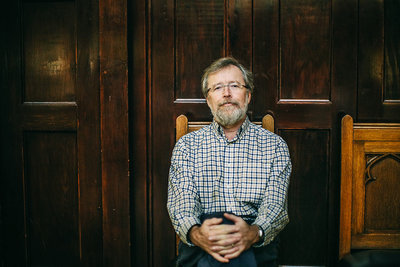
Meet Patrick Moreau, an Emmy-winning filmmaker

June 11, 2015 By Carlee Wright

Patrick More­au is a film­mak­er, a sto­ry­teller, an inno­va­tor and an Emmy-win­ner (five times over).

He had no inter­est in film, had nev­er even picked up a cam­era, but two years into a psy­chol­o­gy degree, some­thing changed.

“While in uni­ver­si­ty, I was learn­ing about all these cool, tough issues. I was real­ly inter­est­ed in explor­ing why and how…different ways of liv­ing, how peo­ple approach the world,” Patrick said. “That led me to film­mak­ing. I fell in love with the idea of telling a sto­ry and its impact on peo­ple.”

Out of the blue, Patrick got a call from a poten­tial client. They were look­ing for some­one who could tell a sto­ry dif­fer­ent­ly, with emo­tion.

“At the time, we were shoot­ing 30 to 40 wed­dings a year. One of our wed­dings went viral,” Patrick said.

That viral video helped Patrick’s com­pa­ny, Still­mo­tion, land the gig to cre­ate “A Game of Hon­or,” a TV and web series for NFL.com. It doc­u­ment­ed the NFL sea­son through episod­ic sto­ries.

His back­ground in psy­chol­o­gy com­pli­ments his sto­ry­telling abil­i­ty pro­vid­ing a deep­er under­stand­ing of char­ac­ter and the abil­i­ty to cap­ture that under­stand­ing on film.

“A Game of Hon­or” won three Emmys includ­ing Out­stand­ing Sports Doc­u­men­tary, Out­stand­ing New Approach to Sports Pro­gram­ming and Out­stand­ing Sports Pro­mo­tion­al Announce­ment.

Filmmaker Patrick Moreau

But that series was only the start, a jump­ing off point for Patrick and Still­mo­tion. Patrick was a fea­tured speak­er for the Social Inno­va­tion Sum­mit at the Unit­ed Nations. His team has gone on to chase cadets through the forests of Vir­ginia and explore child slav­ery through the eyes of a 9‑year-old girl sell­ing lemon­ade. His pas­sion for film­mak­ing has led him to ded­i­cate sev­en years devel­op­ing and teach­ing edu­ca­tion­al sto­ry­telling work­shops.

As he aims to make the unthink­able, approach­able, he speaks to the heart with his visu­al sto­ry­telling.

Come hear Patrick’s sto­ry on the TEDxSalem stage on Sat­ur­day, Octo­ber 3. Get your tick­ets here.

Filed Under: 2015 Speakers, 2015 TEDxSalem Tagged With: announcement, Speaker Announcement

« Previous Page
Next Page »
  • Home
  • About
  • Attend
  • Blog
  • Apply to be a Speaker
  • TEDxSalemWomen
  • TEDxYouth@Salem

Copyright © 2026