• Skip to primary navigation
  • Skip to main content

TEDxSalem

Ideas worth spreading

  • Facebook
  • Instagram
  • Twitter
  • Home
  • Attend
    • TEDxSalem VII
  • About
  • Artist in Residence
  • Blog
  • Partners
  • Past TEDxSalem events
    • TEDxSalem VI
    • TEDxSalem V
    • TEDxSalem IV
    • TEDxSalem III
    • TEDxSalem II
    • TEDxSalem I

2015 Speakers

Noah Schultz: Incarcerated at 17, writer and poet at 18, TEDx speaker at 23

September 11, 2015 By Laura Fosmire

Noah Schultz
Noah Schultz

Try to describe Noah Schultz in just a few words and you can’t help but slip in a few tan­ta­liz­ing details.

He’s a writer and a poet. He has major dreams for Ore­gon and for him­self. For the past sev­er­al years, he’s been incar­cer­at­ed at the MacLaren Youth Cor­rec­tion­al Facil­i­ty. Cur­rent­ly at a work study tran­si­tion pro­gram in Flo­rence, he’ll be tem­porar­i­ly released just in time to join our ros­ter of speak­ers at TEDxSalem.

But since he has such a way with words, we thought we would let him do the intro­duc­ing.

How did you come to learn about TEDxSalem? What made you want to get involved?

I was dis­cussing my goal of speak­ing at a TED event with a friend of mine when she men­tioned know­ing some of the orga­niz­ers. I got very excit­ed and asked her if she would be able to con­nect me with them. TED pro­vides the plat­form to deliv­er hope through a pos­i­tive mes­sage, or new idea. Who wouldn’t want to be a part of that?

Tell me a lit­tle more about the sub­ject of your TED talk.

My talk is an infu­sion of poet­ry, my life sto­ry and the wis­dom I have learned from the expe­ri­ence of being incar­cer­at­ed at an ear­ly age. I want peo­ple to walk away from this talk ready to take on the thing they have pushed to the side. Humans are meant to per­sist, sur­vive and reach unimag­in­able lev­els of excel­lence. I hope this talk stokes the inner fire inside of them.
OLYMPUS DIGITAL CAMERA

You’re a tal­ent­ed writer, and your work has been show­cased online. What orig­i­nal­ly got you into writ­ing?

Thank you, I feel very blessed to have been well received in that area.

When I was 18, I signed up for a group called Write Around Port­land. This is a non­prof­it locat­ed out of Port­land who was offer­ing their ser­vices to MYCF (MacLaren Youth Cor­rec­tion­al Facil­i­ty).

This was where I was exposed to cre­ative writ­ing. We were giv­en jour­nals and spent two hour ses­sions writ­ing to prompts and shar­ing with oth­ers in the group. In this class, I felt like what I had to say mat­tered. The feel­ing writ­ing gave me was like no oth­er. This was the one place I could escape to. It was and is my ther­a­py.

Can you talk more about the expe­ri­ence of being incar­cer­at­ed at 17?

There is a lot I can say about that expe­ri­ence. I am going to save that for the talk. To be incred­i­bly brief, I can say that this has been some­thing that has altered my life path for­ev­er.

What would you most want peo­ple to know about you?

I would want peo­ple to know that I care about them, off the bat. I believe that we are all con­nect­ed through the beau­ty of life. Each one of us makes up a piece of some­thing big­ger. That way of think­ing con­sis­tent­ly influ­ences each of my inter­ac­tions.

I would also want to let them know that I am a very ambi­tious indi­vid­ual who is focused on mak­ing a pos­i­tive impact on the plan­et Earth before leav­ing it.

What are your plans for the future?

When asked this ques­tion my brain usu­al­ly goes into a state over­load. I have so many ideas with writ­ten plans of action ready for imple­men­ta­tion upon my release.

I am an aspir­ing social entre­pre­neur who is pas­sion­ate about the erad­i­ca­tion of pover­ty, human traf­fick­ing and envi­ron­men­tal issues. At this moment, I am work­ing on devel­op­ing and launch­ing a Kom­bucha busi­ness and pub­lish­ing my first book.

See Schultz and oth­ers speak at TEDxSalem Oct. 3.

The all-day event is $40 for stu­dents and $50 for the gen­er­al pub­lic and includes talks, enter­tain­ment, par­tic­i­pa­tion in recess breaks, hands-on activ­i­ties between ses­sions, plus food through­out the day (break­fast, coffee/tea/water, snacks and lunch), a gift bag and a few oth­er good­ies. Find your tick­ets here.

Filed Under: 2015 Speakers, 2015 TEDxSalem

Speaker fights for social justice on and off the clock

September 3, 2015 By Stefanie Knowlton

CM Hall a proud native Oregonian committed to equality and social justice and a fierce Words With Friends player. She is also a 2015 TEDxSalem speaker.
CM Hall is a proud native Ore­gon­ian com­mit­ted to equal­i­ty and social jus­tice and a fierce Words With Friends play­er.

Being a sign lan­guage inter­preter gives you a win­dow into the most inti­mate details of people’s lives and can put you on the nation­al polit­i­cal stage. Just ask CM Hall, a 2015 TEDxSalem speak­er.

She served as a mem­ber of John Kerry’s senior staff dur­ing his run for pres­i­dent in 2004, includ­ing mak­ing sure ASL inter­preters signed every speech. She has also inter­pret­ed for Pres­i­dent Oba­ma. Five times.

“That’s a pret­ty good gig if you can get it, right?,” she said.

If it sounds like she’s try­ing to recruit inter­preters, it’s no acci­dent. She helped launched a nation­al cam­paign to inspire the next gen­er­a­tion of ASL inter­preters to help fill a short­age.

Now she works as project coor­di­na­tor of the West­ern Region Inter­preter Edu­ca­tion Cen­ter at West­ern Ore­gon Uni­ver­si­ty. She teach­es Deaf­Blind Inter­pret­ing and LGBTQ Stud­ies.

When Hall dis­cov­ered ASL inter­pret­ing in col­lege, she was drawn to the ges­tures. It remind­ed her of the­ater because it embod­ied a con­ver­sa­tion, but it was the social jus­tice piece that hooked her for good.

“When I start­ed to learn about Deaf cul­ture, it sparked my social jus­tice bend. This isn’t about a com­mu­ni­ty with a dis­abil­i­ty,” she said. “This is about a com­mu­ni­ty that is lin­guis­ti­cal­ly and cul­tur­al­ly oppressed.”

Despite ded­i­cat­ing more than 23 years to learn­ing the lan­guage and earn­ing awards for her advo­ca­cy, she still rec­og­nizes that she’s an aud­ist, some­one who behaves or is treat­ed as if they’re supe­ri­or based on the abil­i­ty to hear. If you’re a mem­ber of the hear­ing com­mu­ni­ty, she said, you’re an aud­ist. You can’t help it.

That doesn’t stop her from fight­ing for equal access.

For exam­ple, she coor­di­nates a men­tor­ship pro­gram that match­es sea­soned inter­preters with new inter­preters in 11 states and ter­ri­to­ries to boost qual­i­ty access for the Deaf com­mu­ni­ty. She also fights in lit­tle ways. In July, she start­ed a change.org peti­tion to add the ASL “I Love You” emo­ji to mobile tex­ting appli­ca­tions. She said she feels lucky to do the work that she does.

In her free time, she advo­cates for the LGBTQ com­mu­ni­ty. Yes, she does social jus­tice for fun, too. Cur­rent­ly she chairs the Equal­i­ty PAC for Basic Rights Ore­gon. To learn more about Hall’s life as a sign lan­guage inter­preter, LGBTQ advo­cate and self-described queer, catch her TEDxSalem talk Oct. 3. Get your tick­ets at tedxsalem2015.eventbrite.com.

Filed Under: 2015 Speakers, 2015 TEDxSalem Tagged With: Speaker Announcement

David Craig: Understanding our world through birds

August 27, 2015 By Saerom

bio_headerIn city life, you may not see many wild ani­mals. A cougar sight­ing is com­mon­ly a sub­ject of a local news sto­ry — and much con­ver­sa­tion.

But birds? They’re every­where. Maybe they’ve nest­ed on your prop­er­ty or they’re eat­ing feed your neigh­bors throw out. Maybe they wake you up ear­li­er than you’d like, chirp­ing near your win­dow.

How often have you won­dered why a bird is in your neigh­bor­hood, ver­sus anoth­er part of the world? How often have you won­dered what the bird’s sto­ry is?

David Craig, a pro­fes­sor of biol­o­gy at Willamette Uni­ver­si­ty, has built a career around ask­ing and answer­ing these ques­tions.

Craig has been inter­est­ed in the world around him and the crea­tures that live in it since he was a child. He says most chil­dren are, and many grow out of it. Craig nev­er did.

Craig says answer­ing the ques­tions of why birds set­tle where they do and where and when they migrate can answer a lot of ques­tions about our­selves and our world.

“I think under­stand­ing our place in the nat­ur­al world is always impor­tant,” Craig said. “There’s a long his­to­ry of birds being able to  tell us real­ly quick­ly about the envi­ron­ment before peo­ple have to make deci­sions that are going to affect peo­ple.”

Ospreys and eagles were the ones who told us DDT, a pes­ti­cide, was harm­ful, Craig said, when their eggs stopped hatch­ing and their pop­u­la­tion declined. We lat­er learned that DDT was caus­ing can­cer in peo­ple, he said.

In recent years, hob­by­ists have been con­tribut­ing to sci­en­tif­ic knowl­edge by tak­ing pho­tos of birds with tags that sci­en­tists else­where have put on them and help­ing them track them through the Inter­net.

The new tech­nol­o­gy and new twist on bird­ing is attract­ing a younger gen­er­a­tion of bird­ers, Craig said.
Want to learn more about how you could get involved? You can see his talk at TEDxSalem on Oct. 3 at the Salem Con­ven­tion Cen­ter. Get your tick­ets at tedxsalem2015.eventbrite.com.

Filed Under: 2015 Speakers, 2015 TEDxSalem Tagged With: 2015, Speaker Announcement

Dr. Mark Davis: When waste becomes the cure

August 20, 2015 By Saerom

Mark HeadshotThey say one’s trash is another’s trea­sure.

Dr. Mark Davis has built a med­ical career on this con­cept.

To many, poop means very lit­tle. It’s just waste, to be flushed away and rarely spo­ken of.

But for some peo­ple, it’s a sig­nif­i­cant health prob­lem that severe­ly impacts their qual­i­ty of life. And the only solu­tion is more poop.

Let me explain.

Davis, a Port­land-based natur­o­path­ic physi­cian, has ded­i­cat­ed his career to help­ing peo­ple with stom­ach con­di­tions — espe­cial­ly those who have tried every­thing, to no avail.

At TEDxSalem on Oct. 3, Davis will speak about the work he is doing to improve the lives of those who have stub­born inflam­ma­to­ry bow­el dis­ease and infec­tious col­i­tis.

Davis comes from a fam­i­ly of sci­en­tists and med­ical pro­fes­sion­als, and he nat­u­ral­ly formed an inter­est in a career in the field, as well.

But unlike con­ven­tion­al med­i­cine, which he says is more focused on fix­ing bro­ken bones and patch­ing up bleed­ing parts, Davis was inter­est­ed in a more holis­tic type of med­i­cine.

When he dis­cov­ered natur­opa­thy, he knew it was right up his alley.

He got into gas­troin­testi­nal health because of the influ­ence of his men­tor, Dr. Steven Sand­berg-Lewis, who is a gut health expert, Davis said.

Davis found that while many peo­ple suf­fer­ing from bow­el dis­eases found relief through diet, nutri­ents and herbs, there were some peo­ple for whom noth­ing seemed to work.

He did some dig­ging into sci­en­tif­ic lit­er­a­ture, and he found an answer that has helped many peo­ple: fecal trans­plan­ta­tion. In oth­er words, he takes donat­ed fecal mat­ter from healthy peo­ple to trans­plant it in sick people’s intestines through an ene­ma.

Today, he runs his own donor bank at his prac­tice and con­tin­ues to help peo­ple who have tried every­thing to relieve their bow­el dis­ease symp­toms with no suc­cess.

You would have to attend TEDxSalem to learn more about fecal trans­plan­ta­tion, what Davis has done to make the process more — well, appe­tiz­ing — and the bar­ri­ers the gov­ern­ment has placed on peo­ple who would ben­e­fit from this treat­ment.

Tick­ets are avail­able at tedxsalem2015.eventbrite.com.

Filed Under: 2015 Speakers, 2015 TEDxSalem Tagged With: 2015, Speaker Announcement

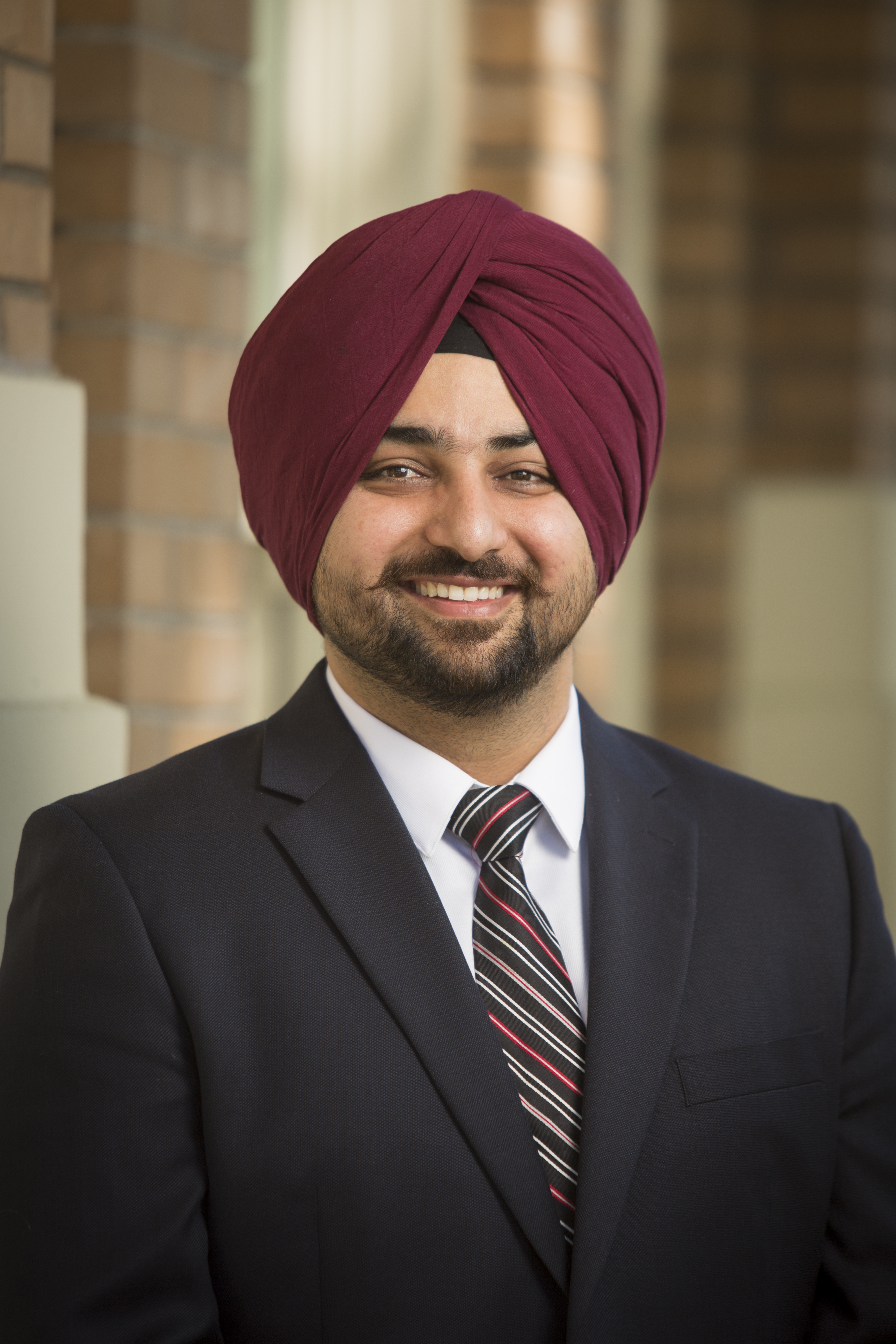
Sukhsimranjit Singh: Resolving conflict across cultures

August 6, 2015 By Laura Fosmire

SukhsimranSukhsim­ran­jit Singh has a super­pow­er, steeped in an art form, derived from social sci­ence.

He can nego­ti­ate.

Singh does­n’t use this pow­er for evil; he does­n’t bend oth­ers to his will, he does­n’t manip­u­late to get what he’s after. He uses it for good; find­ing com­mon ground, bridg­ing cul­tures, fos­ter­ing peace and har­mo­ny.

It sounds incred­i­bly sim­ple. Easy, almost. But one does­n’t need to look far to imag­ine the glob­al pos­si­bil­i­ties that open up with such a skill. Imag­ine how dif­fer­ent war might look, if only com­pro­mise could be reached. How an empa­thet­ic con­nec­tion could dis­man­tle racism, sex­ism, reli­gious intol­er­ance, fear and hatred.

“Love and com­pas­sion are the most pow­er­ful things with­in us,” Singh says. “But we sub­due them with hatred and judge­ment.”

Singh is the asso­ciate direc­tor of the Cen­ter for Dis­pute Res­o­lu­tion with­in the law school at Willamette Uni­ver­si­ty, which he joined in 2008. He’s also a full-time mem­ber of the law fac­ul­ty, an asso­ciate pro­fes­sor at the Atkin­son Grad­u­ate School of Man­age­ment, has con­sult­ed for the city of Salem, states of Ore­gon and Cal­i­for­nia, and has worked in and taught medi­a­tion in 17 coun­tries across the globe.

Legal­ly, he explains, medi­a­tion is all about get­ting past a par­ty’s posi­tion — I’m right, you’re wrong — and get­ting at a par­ty’s inter­ests. As a pro­fes­sion­al medi­a­tor, he lis­tens to both sides to find a mutu­al­ly agree­able solu­tion.

To illus­trate his work, he tells a para­ble about two sis­ters who are fight­ing over an orange.

Both sis­ters want the orange for them­selves. The obvi­ous and fair solu­tion would be to cut the orange in half. But nei­ther sis­ter is sat­is­fied with this, and so the fight­ing resumes.

A medi­a­tor would ask each sis­ter why she wants the orange. One sis­ter says she wants the orange for cook­ing. The oth­er wants the orange for its juice.

So the first sis­ter gets the orange peel, for cook­ing. And the sec­ond sis­ter gets the peeled orange, for juic­ing. Each sis­ter gets their ‘whole’ of the orange.

Sukhsimran and his daughter, Apar.
Singh and his daugh­ter, Apar.

In his medi­a­tion work, Singh says he likes to take the cas­es that oth­ers find impos­si­ble to solve. To him, every prob­lem has a nego­tiable solu­tion.

“I grew up in a dif­fer­ent cul­ture,” he says (Singh was born in Pun­jab, India, and came to the Unit­ed States in 2004 to be clos­er to his sis­ter). “So I’m able to empathize with dif­fer­ent sto­ries and be flex­i­ble in my think­ing. I like to chal­lenge myself.”

For his TED talk, Singh says he’ll dis­cuss how peo­ple see each oth­er, and how that inter­feres with nego­ti­a­tions; he’ll explain how dif­fer­ent cul­tures inter­act with one anoth­er.

“It sort of gets at the ques­tion of what is cul­ture,” he says. “Cul­ture is omnipresent. It may be more attached to reli­gion or law or fam­i­ly, but cul­ture is an amal­ga­ma­tion. There are lay­ers of cul­ture, and cul­ture changes over time.”

Indeed, lis­ten­ing to Singh’s TED talk may even pro­vide par­tic­i­pants with their own super­pow­ers.

“The per­son you nego­ti­ate with most is your­self,” he says.

See Singh and 12 oth­ers speak at TEDxSalem Oct. 3.

The all-day event is $40 for stu­dents and $50 for the gen­er­al pub­lic and includes talks, enter­tain­ment, par­tic­i­pa­tion in recess breaks, hands-on activ­i­ties between ses­sions, plus food through­out the day (break­fast, coffee/tea/water, snacks and lunch), a gift bag and a few oth­er good­ies. Find your tick­ets here.

Filed Under: 2015 Speakers, 2015 TEDxSalem

Michael Davis: What we get from “Sesame Street”

July 30, 2015 By Jay Shenai

Author of "Street Gang"Ask Michael Davis what his favorite Sesame Street sketch is, and one comes to mind right away: “Bert and Ernie Fish Call.” In it, the laid-back Ernie con­founds Bert with his unortho­dox yet wild­ly suc­cess­ful method for fish­ing. It’s a sophis­ti­cat­ed and pret­ty fun­ny gag for such a sim­ple con­ceit: two Mup­pets in a boat, dodg­ing fish.

“I think they’re one of the great com­e­dy teams of all time,” said Davis, author of the New York Times Best­seller Street Gang: The Com­plete His­to­ry of Sesame Street, and speak­er at this year’s TEDx Salem.

Fun fact – Accord­ing to Davis, in Bert and Ernie you can see sub­tle hints of the real-life cre­ative ten­sion between the straight-laced Frank Oz, and the more mis­chie­vous Jim Hen­son, one that helped dri­ve the show for years.

You can also see how a sketch that first aired in 1982 endures to this day, and still appeals to view­ers both younger and old­er. Cur­rent­ly the clip has over 3 mil­lion views on YouTube.

“That’s the mag­ic, that they’ve been able to keep [the show’s suc­cess] rolling for so many years,” he said.


For his TED talk Davis will share how the show has evolved to main­tain its pop­u­lar­i­ty with mil­lions of chil­dren in its over 45-year his­to­ry. He will also dis­cuss how the show’s pro­duc­ers con­tin­ue to par­lay that pow­er into pos­i­tive social change both in the US and around the world. Accord­ing to Davis they are cur­rent­ly work­ing to bring aware­ness of san­i­ta­tion and hygiene to audi­ences in India and Pak­istan. In South Africa, the first-ever HIV-pos­i­tive Mup­pet, Kami, has helped bring AIDS aware­ness to a coun­try that has strug­gled to face the cri­sis. The Queen of Jor­dan Rania Al Abdul­lah also has cred­it­ed the show (Hikay­at Sim­sim) for empow­er­ing women in her coun­try.

It’s one of the key mis­sions of the Sesame Work­shop, the non-prof­it orga­ni­za­tion behind Sesame Street: to use the show’s con­cepts in hotspots around the globe, from North­ern Ire­land to the Balka­ns to Cen­tral Amer­i­ca, Davis said.

Every­where it is seen, the show serves to “help chil­dren cope, and to teach Street Gang Coverthem about their soci­ety,” he said.

Through a com­bi­na­tion of com­e­dy and tele­vi­sion adver­tis­ing tech­niques, Sesame Street has impact­ed gen­er­a­tions of chil­dren world­wide, Davis said, expos­ing them to some­times tough lessons through intel­li­gence and wit — even if some­times the lessons and occa­sion­al­ly even the wit are beyond the grasp of the show’s core demo­graph­ic of 2- to 4‑year-olds.

Sesame Street has had the stay­ing pow­er and the patience to wait for them.

“When chil­dren get old­er and more sophis­ti­cat­ed, a light goes on,” Davis said. “They under­stand that some­body a long time ago taught them.”

Some­thing to think about, the next time you come across a fish­er­man out on a lake yelling, “Heeere fishy-fishy-fishy!”

– To see Michael Davis and oth­er TEDx Salem 2015 speak­ers, get your tick­ets here.

Filed Under: 2015 Speakers, 2015 TEDxSalem Tagged With: 2015, Speaker Announcement, TEDxSalem

Next Page »
  • Home
  • About
  • Attend
  • Blog
  • Apply to be a Speaker
  • TEDxSalemWomen
  • TEDxYouth@Salem

Copyright © 2026